AI search
How to show up when someone asks an AI about your industry
A growing share of the questions that used to become Google searches are now typed into an assistant, and the answer usually names two or three businesses. There is no form to submit and nothing to buy. It's earned much the way rankings are — but the things that earn it are not quite the things that earned rankings.
Rather just ask someone? Talk to usIn short
AI assistants cite pages they can read, trust and quote. That means server-rendered HTML rather than JavaScript-only content, schema.org structured data, facts stated plainly in text — prices, locations, hours — pages that answer one real question directly, and mentions on sites the model already trusts. There is no submission process and no paid placement.
- What is AEO, and how is it different from SEO?
- Search engine optimisation aims to rank a page in a list of links, where the click is the prize. Answer engine optimisation — also called generative engine optimisation — aims to be the source an assistant quotes when it answers directly, where being named is the prize. The overlap is large: both reward crawlable, fast, well-structured pages. The difference is that answer engines extract sentences rather than rank documents, so a page that buries its answer in a sales narrative gets read and passed over.
What actually works
Answer the question in the first hundred words
Assistants lift self-contained passages. A paragraph that states the answer plainly — naming the thing, the number and the caveat — can be quoted without surrounding context. One that opens with 'In today's fast-paced digital landscape' cannot.
Make the facts machine-readable
schema.org markup for your organisation, services, prices, FAQs and location. It doesn't make you rank, but it removes ambiguity about who you are and what you charge, and ambiguity is what stops a model committing to naming you.
State prices and specifics in text
Models cannot quote a number you didn't publish. 'Contact us for pricing' guarantees the assistant recommends whoever did publish a figure. This is the single biggest behavioural difference between businesses that get cited and those that don't.
Serve real HTML
Many crawlers do not execute JavaScript. If your content only appears after the page hydrates, a meaningful share of assistants see an empty shell. Server-rendered or statically generated pages are simply visible in a way client-only ones aren't.
Publish an llms.txt, and keep it true
A plain-text summary of who you are, what you offer and what it costs, at /llms.txt. It's an emerging convention rather than a standard, it costs an hour, and it gives an assistant an unambiguous source. Ours is at pixelapps.com.au/llms.txt.
Get mentioned somewhere that isn't your own site
Models weight corroboration heavily. Industry directories, local news, podcasts, community sites, genuine reviews — a claim repeated across independent sources becomes a fact the model is willing to assert.
Cover the question, not the keyword
People type fragments into Google and full sentences into assistants. Pages built around a real question — with the question as the heading and the answer immediately under it — match how the query actually arrives.
Check what the assistants currently say
Ask ChatGPT, Claude, Perplexity and Google's AI answers what they know about your business and your category. It takes ten minutes, it is often uncomfortable, and it tells you precisely which gaps to fill.
What changes, and what doesn't
Most good SEO work still helps. The emphasis shifts.
| Criteria | Traditional SEO | Answer engines |
|---|---|---|
| The prize | Ranking, then a click | Being named in the answer |
| Unit of value | The page | The quotable passage |
| Keywords | Fragments people type | Full questions people ask |
| Structured data | Helps rich results | Removes ambiguity about facts |
| Hidden pricing | Costs you some clicks | Costs you the mention entirely |
| Backlinks | Ranking signal | Corroboration the model will assert |
| Feedback loop | Search Console, weeks | Ask the assistant, minutes |
What to do this month
Roughly in order of return. None of it requires a rebuild.
- Ask four assistants what they know about your business — write down what's wrong
- Put a direct, self-contained answer in the first paragraph of your key pages
- Publish your prices, or at least real ranges, as text
- Add Organization and LocalBusiness schema with your actual contact details
- Add FAQPage schema to any page that already has questions on it
- Check your pages render without JavaScript
- Publish an /llms.txt summarising who you are and what you charge
- Claim and complete your Google Business Profile
- Get listed in two or three credible industry or local directories
- Re-ask the assistants in a month and see what changed
When this isn't your problem
Nobody can guarantee an AI mention — anyone selling one is guessing, and the models change under all of us. Treat this as making yourself easy to cite rather than as a channel you control. The work also happens to be ordinary good SEO and clearer writing, so it pays for itself even if the AI traffic never arrives.
Want us to look at it?
Send us your site and what you're trying to improve. We'll tell you what we'd do first — including when the honest answer is that you don't need us.
Common questions
Make yourself easy to read and hard to misquote: server-rendered pages, schema.org markup, prices and locations stated in plain text, pages that answer one question directly, and mentions on independent sites. There is no submission form and no paid placement — anyone offering to sell you one is selling something else.
It's a convention rather than a standard, and no major provider has committed to it publicly. It also takes about an hour and gives any crawler that does read it an unambiguous account of your business. We publish one for that asymmetry, not because we can prove it works.
It's an extension of it. Crawlable, fast, well-structured pages help both. The shift is that answer engines extract passages rather than rank documents, so the answer has to be near the top, self-contained, and specific enough to quote.
Imperfectly. Ask the assistants directly and record what they say over time — that's the most reliable signal available. Referral traffic from chatgpt.com, perplexity.ai and similar shows in your analytics, but it understates things, because plenty of people read the answer and then search your name.
It will reduce clicks for questions that a summary can fully answer. It tends not to for anything involving trust, money or local service, where people still want to see the business. The practical response is to be the business the summary names.
See it working
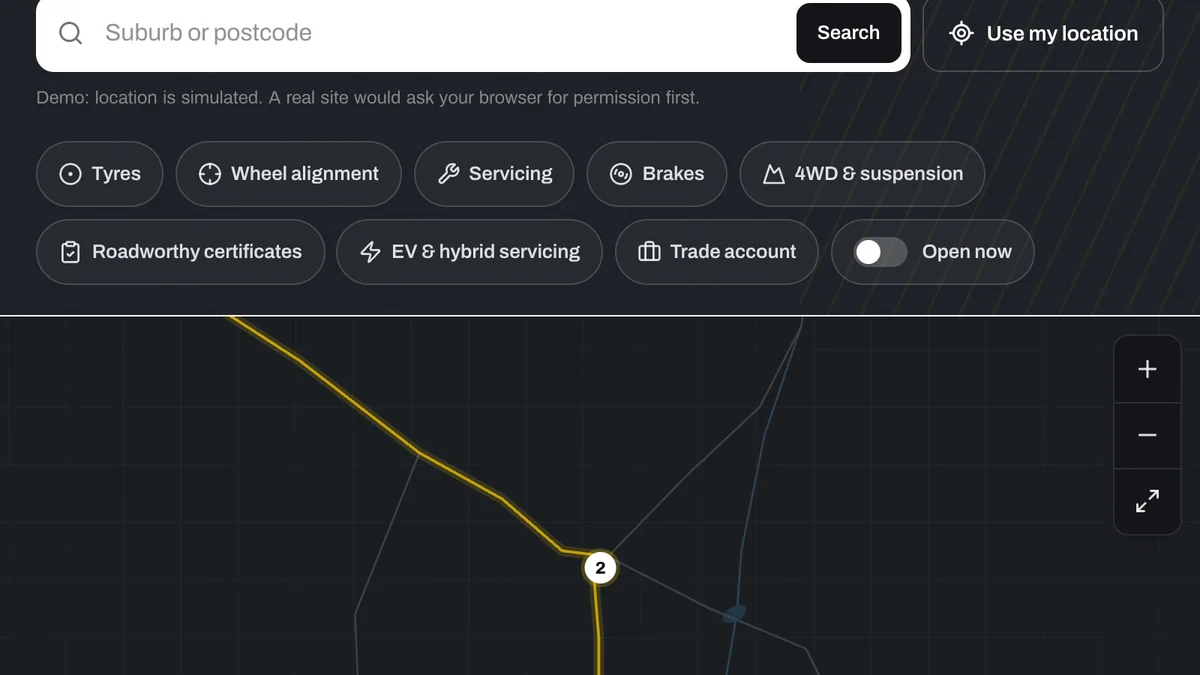
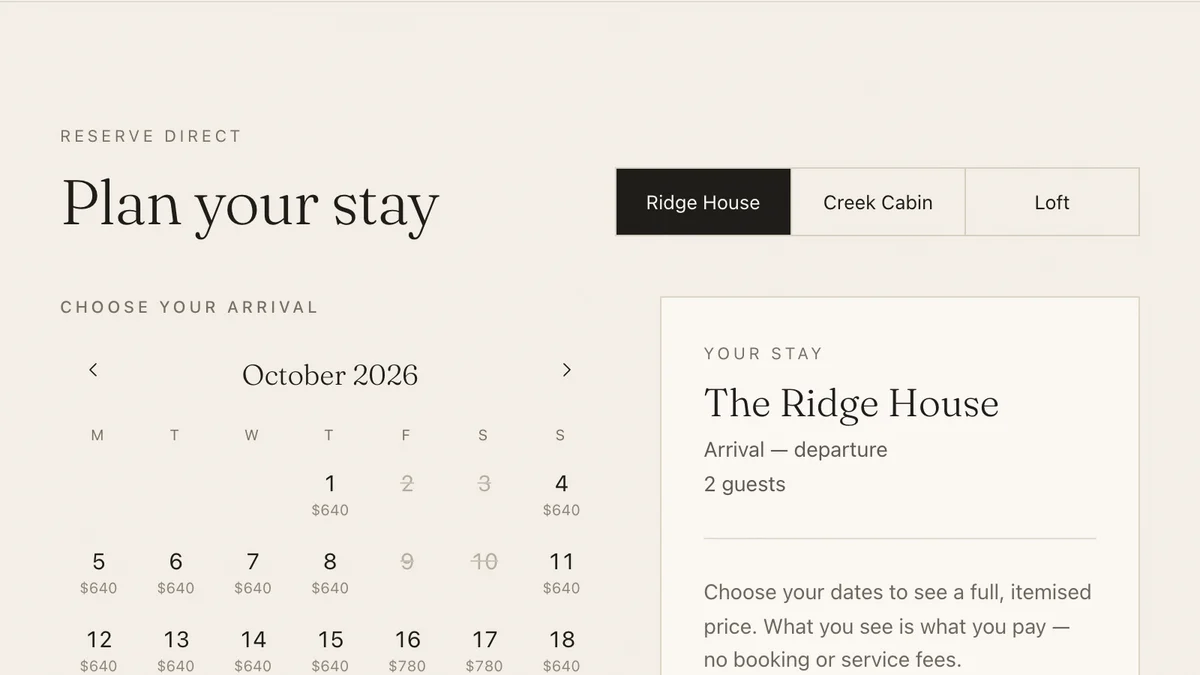
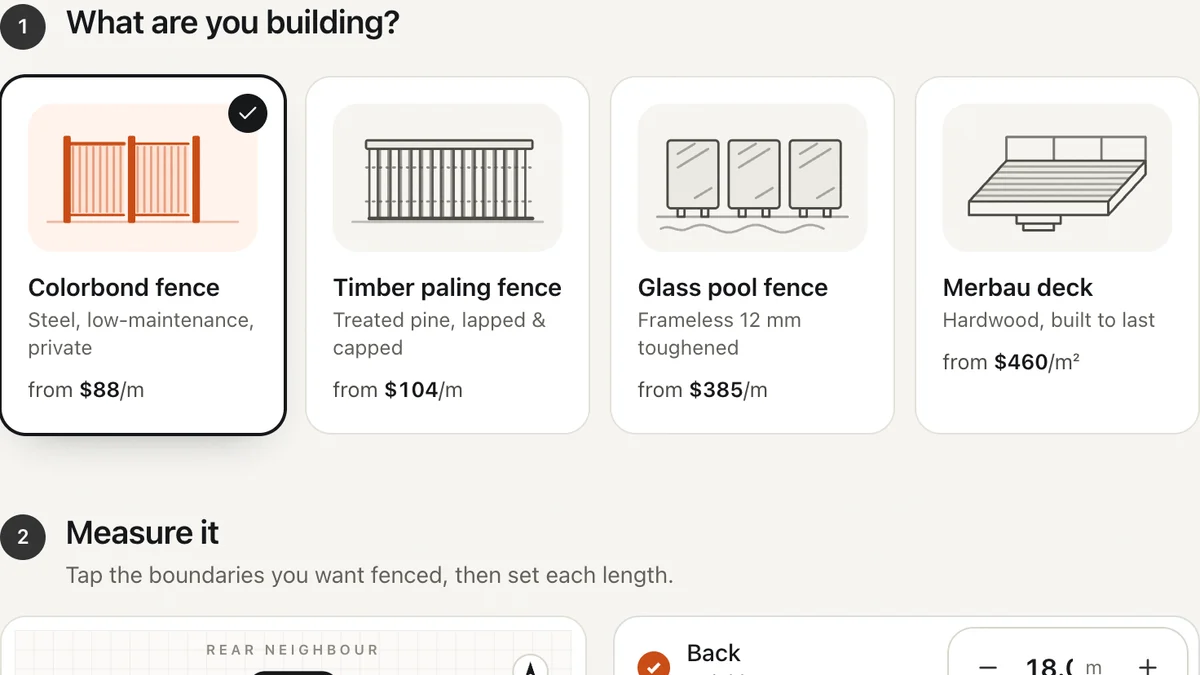
Software we'd build, running with a fictional business and sample data. Use it, then decide.
Also worth a look
- How to Rank Locally in Your Own Town
- Why You're Not Showing Up on Google Maps
- Your Website Gets Traffic But No Enquiries
- Weighing up who should build it, and what it should cost?
Last reviewed . Figures are indicative Australian ranges, not quotes.