Before you sign
Twelve questions to ask before you sign
You don't need to understand code to buy software well. You need to ask questions whose answers you can judge — about ownership, process, accountability and what happens when things go wrong. These are the twelve we'd ask if we were on your side of the table, along with the answers that should make you pause.
Rather just ask someone? Talk to usIn short
Ask who will actually do the work, what is explicitly excluded from the scope, whose name the domain and hosting will be in, what happens after launch and what it costs, and whether you can take the code with you if you leave. Evasion on ownership or scope is the reliable warning sign.
What actually matters
Who will actually do the work, and can I speak to them?
You want a name and, ideally, a conversation. Watch for: 'our team will handle it'. In small teams the answer is easy; in large ones the honest answer is a specific person, not a department.
What is explicitly not included?
Good answers are specific — copywriting, photography, ongoing SEO, third-party licences, content migration. 'Everything you need is included' is not an answer, it's a future argument.
Whose name will the domain and hosting be in?
The only acceptable answer is yours. If a developer wants these in their own account 'for convenience', that convenience is entirely theirs and it is the most common way businesses end up trapped.
Do I own the code, and can I take it elsewhere?
You should own what you paid for and be able to leave with it. Proprietary platforms you can't export are a legitimate business model but you must know that's what you're buying before, not after.
What happens after launch, and what does it cost?
Software needs maintenance whoever builds it. You want a number and a response time. 'We'll invoice you hourly as needed' is an honest answer — just budget for what it means in practice.
How will you keep me updated?
Look for a rhythm — weekly demos of working software beat monthly status emails. Anything that shows you the actual thing rather than a percentage figure.
What happens if I want changes mid-project?
There should be a process, and it should cost something. Both 'changes are free' and 'no changes accepted' are warning signs — the first is unsustainable, the second is unrealistic.
How do you handle security and backups?
You want specifics: automatic backups, how often, where they're stored, and whether restoring one has ever been tested. Vagueness here is the answer to a question you'd rather not ask after an incident.
Can I see three live sites you built, on my phone?
Live URLs, not screenshots. Check speed, forms and whether the business ranks for its own name. This is the highest-signal five minutes available to you.
What's the payment schedule?
Milestone-based, with a 30-50% deposit. Full payment before work starts removes your only leverage and is rarely necessary for an established business.
What happens if we part ways?
You should leave with your domain, your code, your content and your data. Ask what the offboarding actually looks like — a good answer exists because they've done it before.
What would you push back on in my brief?
The most revealing question of the twelve. Someone who agrees with everything either hasn't read it or won't tell you when you're wrong. You are paying for judgement as much as for labour.
Red flags
Any one of these is worth a direct conversation. Two or more is worth walking away.
- No written scope, or a scope that lists only what's included
- Pressure to pay 100% before work begins
- The domain or hosting registered in the developer's name
- Refusal to name the person doing the work
- A price dramatically below every other quote, unexplained
- No answer on what happens after launch
- Portfolio links that are dead, or sites they didn't actually build
- Agreeing enthusiastically with every idea you raise
Where we'd tell you otherwise
Asking all twelve of these of a $2,000 template build is overkill and will make you tiresome to work with. Scale the scrutiny to the money and the risk: the ownership questions matter at any size, and the rest earn their keep once the number gets serious.
Want a second opinion?
Tell us what you're weighing up. We'll give you a straight answer, including when the answer is that you don't need us.
Common questions
Whose name the domain and hosting will be in. It costs nothing to get right at the start and is the most expensive thing to fix later. Businesses locked out of their own domain by a former developer is a story we hear several times a year.
Yes, for anything beyond a few hundred dollars. It doesn't need to be elaborate — scope, price, payment schedule, ownership and what happens if either party walks away. A one-page agreement that covers those is worth more than a long one that doesn't.
Not at all, and anyone who reacts as though it is has told you something useful. It's a normal commercial question and good suppliers answer it without hesitating.
Say so and ask them to explain it again in plain terms. The ability to explain technical decisions to a non-technical owner is a genuine skill and its absence is a real risk — you'll be relying on that explanation every time a decision needs making.
See it working
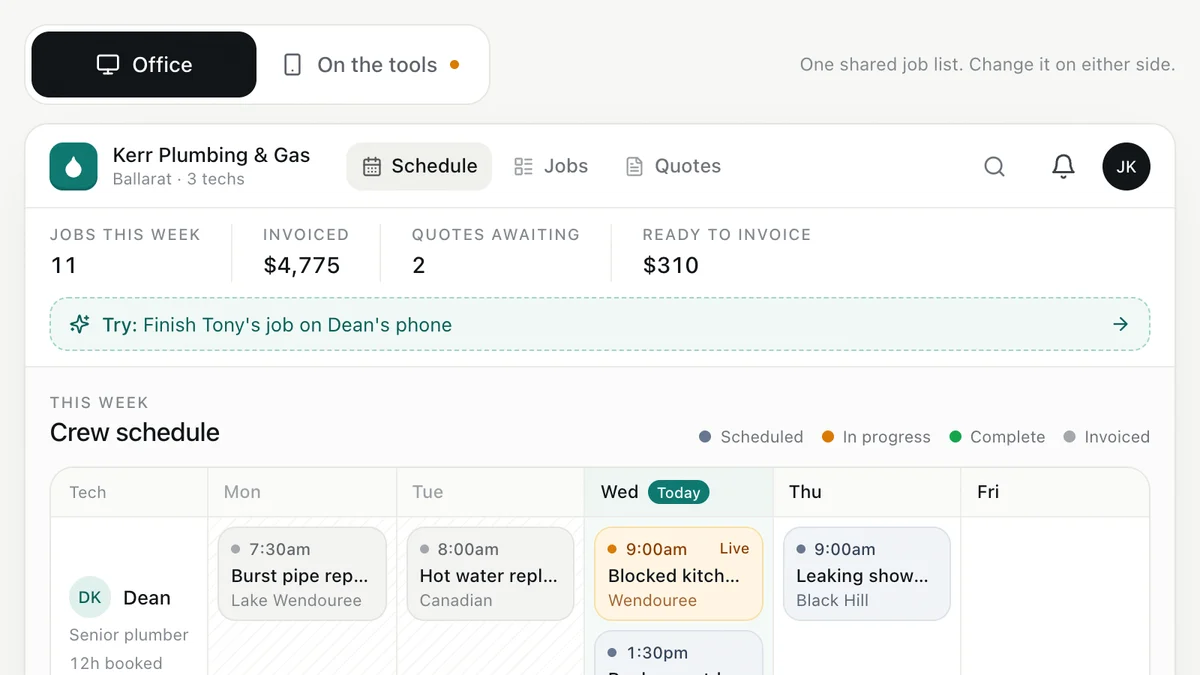
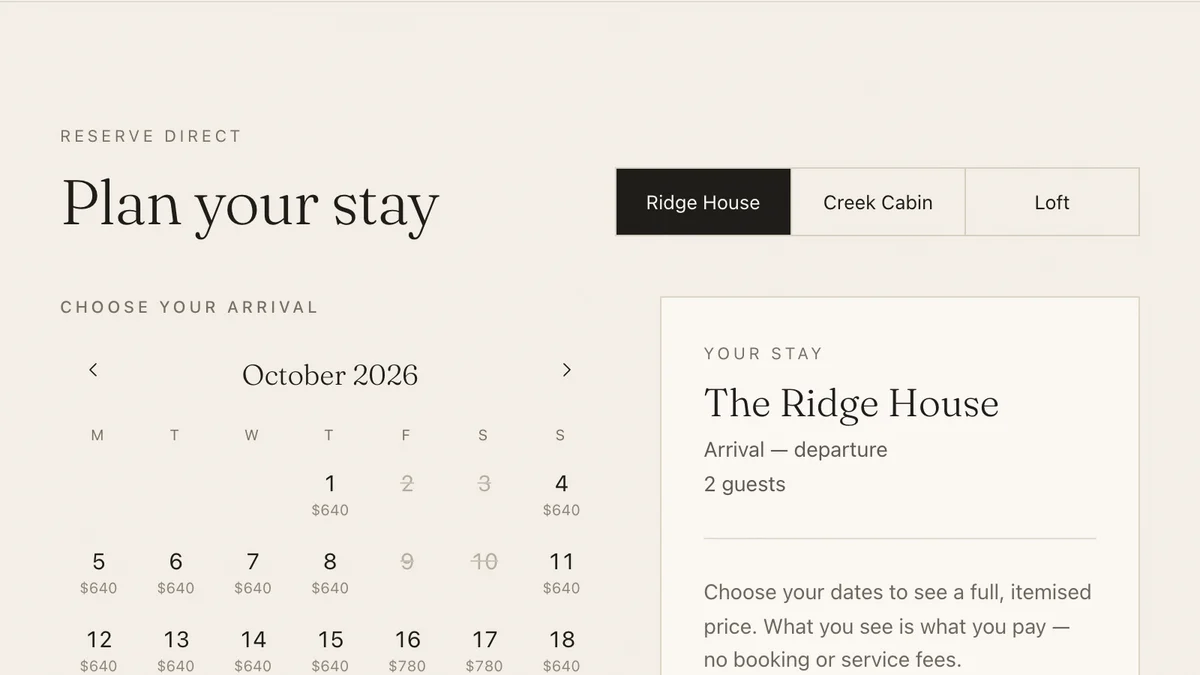
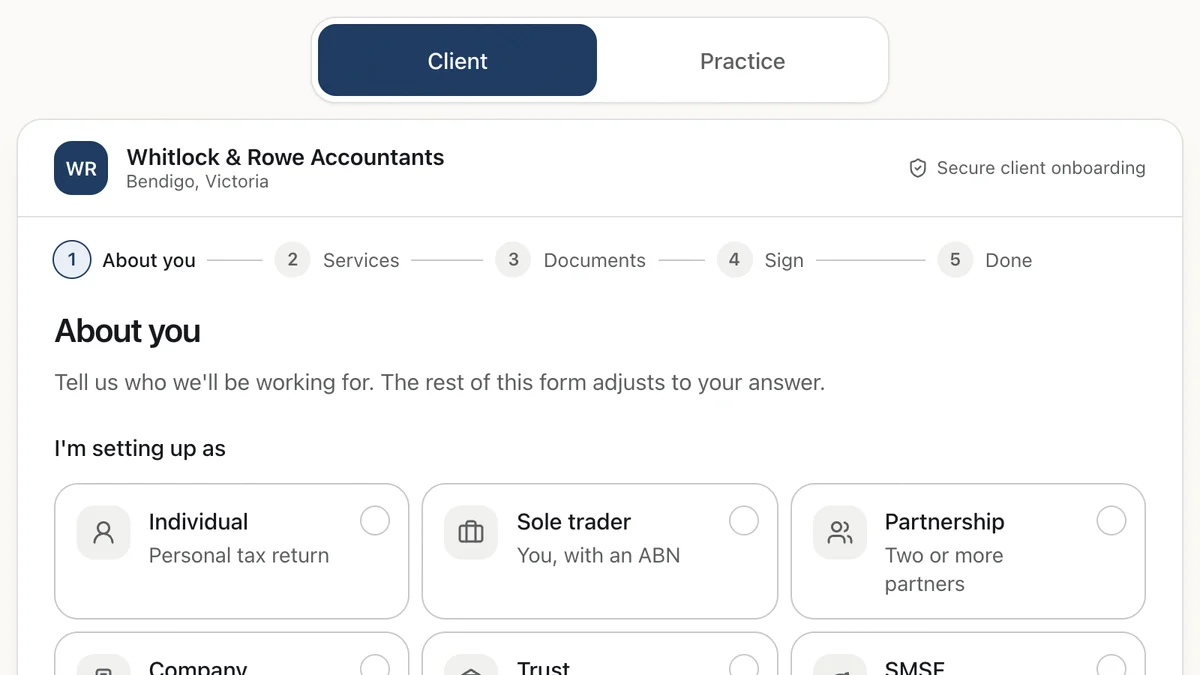
Software we'd build, running with a fictional business and sample data. Use it, then decide.
Also worth a look
- How to Choose a Web Developer in Australia
- Who Owns Your Code, Domain and Data?
- Freelancer, Agency or In-House?
- Already built something that's stuck? We fix those
Last reviewed . Prices are indicative Australian ranges, not quotes.