The threat
How AI is changing cyber attacks, and what it means for your business
AI hasn't invented new ways to break into systems so much as made the old ones faster, cheaper and easier to run at scale. Scanning for weaknesses, writing convincing phishing, cloning a voice, turning a published vulnerability into a working attack: all of it now takes less skill and less time. That changes who gets targeted. Everyone with something exposed to the internet does.
Rather just ask someone? Talk to usIn short
AI is making attacks faster and cheaper rather than fundamentally new. ASD's 2025–26 threat report says AI is reducing the skill and effort needed to find and exploit vulnerabilities, and has seen exploitation within 48 hours of a patch. The response is the same basics, done sooner: patch quickly, protect logins, lock down access and remove exposed secrets.
General information, current as at November 2026, not legal advice. A review lowers risk; it can't guarantee a system won't be breached, and it isn't a certified penetration test or a compliance audit.
- What is an AI-driven cyber attack?
- An attack in which AI tools do some of the work a skilled person used to: finding exposed systems, researching vulnerabilities, writing exploit code, drafting phishing messages, imitating voices, or running the steps of an intrusion with little human direction. The techniques are mostly familiar. The speed, scale and low cost are what's new.
The Australian picture, 2025–26
From ASD's Annual Cyber Threat Report 2025–26 (published October 2026), self-reported to ReportCyber. Business figures are average losses per report.
- Cybercrime reports 82,000+
- About one every six minutes.
- Incidents ASD responded to 1,500+
- Up 20% on the year before.
- Average loss, small business $55,400
- Per report, about the same as the year before.
- Average loss, medium business $141,300
- Per report, up 45%.
- Average loss, large business $148,100
- Per report, down 27%.
- Publicly reported vulnerabilities Up 30%
- More published flaws for attackers, and AI tools, to work from.
What actually matters
The gap between a patch and an attack is shrinking
ASD says it has seen most exploitation within two weeks of a patch, some within 48 hours, and expects AI to shorten that further. VulnCheck found 29% of known-exploited vulnerabilities in 2025 were exploited on or before the day they were published. Patching monthly is no longer fast enough for anything exposed to the internet.
AI agents are now running parts of real intrusions
In November 2025 Anthropic reported a state-sponsored group using Claude Code to automate most of an espionage campaign against around 30 targets, with people stepping in only at key decisions. Some researchers questioned the details, but Anthropic's September 2026 report and Google's threat intelligence team describe similar automated campaigns since.
Being small no longer means being skipped
When scanning is automated, attackers don't choose targets by size; they find whatever is exposed. The same open database or leaked key is found whether it belongs to a listed company or a two-person startup. ASD's figures show small businesses still lose an average of $55,400 per reported cybercrime.
Phishing and impersonation have lost their tells
Spelling mistakes and odd phrasing used to give phishing away. AI removes them, and voice cloning lets an attacker sound like a manager or supplier. Phishing was the most common way in for incidents ASD responded to in 2025–26. Verify payment changes by calling a known number, and protect logins so a stolen password isn't enough.
Your own AI tools are part of the attack surface
Attackers have used developers' AI coding tools to hunt for secrets on their machines, and planted malicious packages and plugins aimed at AI agents. Any AI feature or agent that can read your data or take actions needs the same scrutiny as a new staff member with system access.
The defences that work are mostly unglamorous
Multi-factor login everywhere, fast patching, least-privilege access, no secrets in code, dependencies you've reviewed, backups you've restored, and logs someone looks at. None of it is new. What AI changes is how quickly a gap in any of it gets found.
Five things to do this month
In rough order of the risk they remove.
- Turn on multi-factor login for email, hosting, cloud, code and accounting accounts, starting with admins
- Patch anything exposed to the internet within days, not at the next monthly round
- Search your code and build settings for keys and tokens, and rotate any you find
- Remove old admin accounts, integrations and API keys nobody uses
- Agree a call-back rule for any change to bank details or urgent payment request
Where we'd point you elsewhere
Most of what reduces this risk doesn't need us. Multi-factor login, patching, call-back rules for payments and staff awareness are things your team and your IT provider can do this week. Where we help is the software itself: finding the exposed endpoints, open databases, leaked keys and over-permissioned integrations that automated attacks look for.
Tell us what you'd like checked
Describe what you run and what's worrying you. We'll suggest a sensible scope and a fixed price, or tell you plainly if a different kind of specialist would serve you better.
Common questions
It's making them cheaper and faster, which tends to mean more of them. ASD's 2025–26 report calls AI the defining force in the threat landscape, notes publicly reported vulnerabilities rose 30%, and says AI is likely accelerating the time from a vulnerability being published to it being exploited.
Yes, for attackers and defenders alike. In May 2026 Google's threat intelligence team reported what it believes was the first zero-day exploit developed with AI. The same capability is why reviews matter: the common weaknesses in your systems are increasingly cheap for someone else to find.
Rarely by name, often by accident. Automated scanning finds exposed systems regardless of who owns them. A small business with an open database, an unpatched plugin or a reused password is as findable as a large one, and usually has fewer people watching for trouble.
Turn on multi-factor login for every account that matters, starting with email and anything with admin rights. Stolen and guessed passwords remain one of the most common ways in, and multi-factor login defeats most of those attempts regardless of how the password was obtained.
See it working
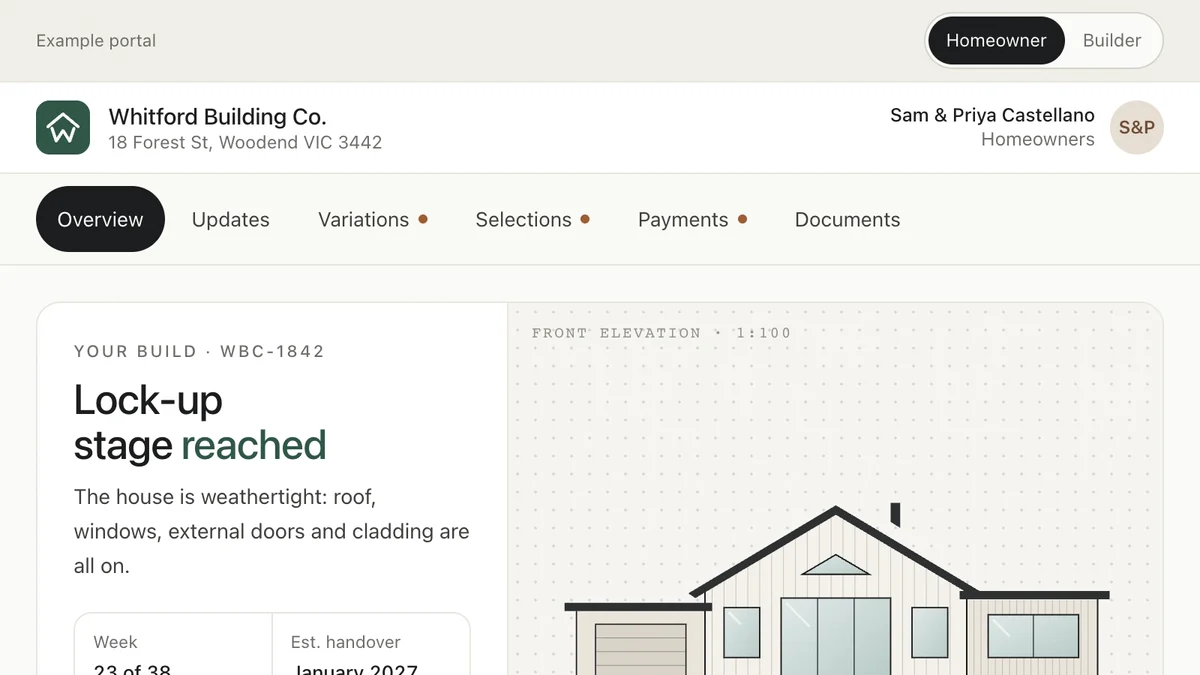
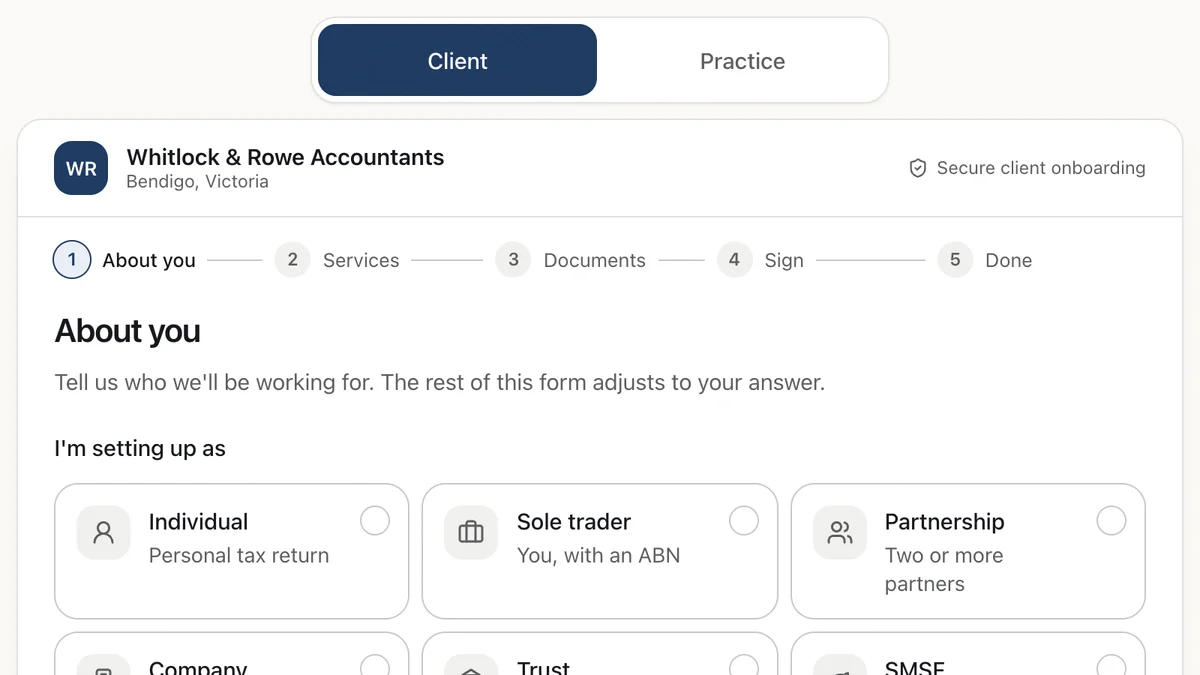
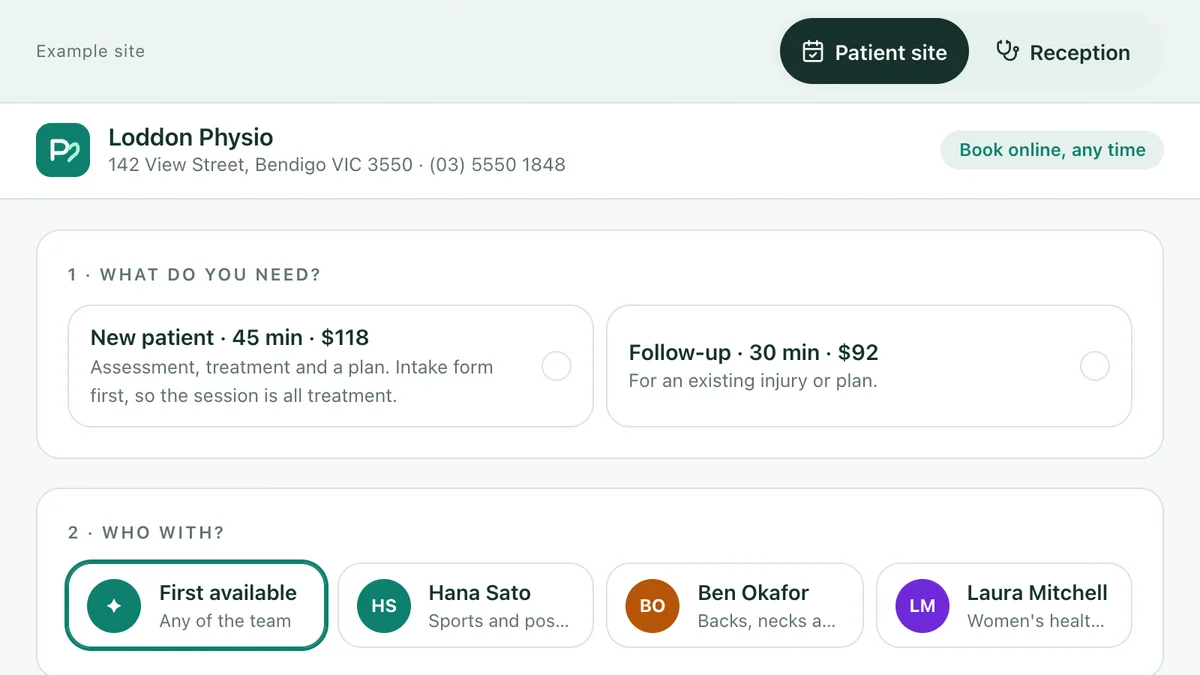
Software we'd build, running with a fictional business and sample data. Use it, then decide.
Also worth a look
- Code and Infrastructure Security Review
- Is AI-Generated Code Secure?
- Leaked API Keys: How to Check and What to Do
- Already broken or stuck? Fix & rescue
Last reviewed . General information, not legal advice. Figures cited are from the sources named on each page.