AML/CTF
AML/CTF for agents and conveyancers: the systems side
Since 1 July 2026, real estate agents, buyers' agents, conveyancers and property lawyers have been reporting entities under Australia's AML/CTF laws. The legal obligations are the same for a two-person agency as for a national group. What differs is how much of it runs on paper. A small amount of the right software makes due diligence part of the file rather than a parallel chore.
Rather just ask someone? Talk to usIn short
Since 1 July 2026, real estate agents and buyers' agents brokering sales, and conveyancers and lawyers handling real estate transactions, must enrol with AUSTRAC, run an AML/CTF program, verify customers, report suspicious matters and keep records for seven years. Property management and leasing aren't covered. Good systems put the checks inside the existing file workflow, with evidence kept automatically.
General information about systems and processes, current as at November 2026. It isn't legal or compliance advice: check how the rules apply to your business with your regulator, professional body or adviser.
- What is customer due diligence (CDD)?
- The 'know your customer' steps a reporting entity must take: identifying the customer, verifying who they are, understanding who ultimately owns or controls them if they're a company or trust, and assessing the money-laundering risk. It's done before or early in the service, kept up to date while the relationship lasts, and recorded so it can be shown later.
The key numbers
From AUSTRAC guidance, checked November 2026. Summaries only; the Act and Rules are the authority.
- Obligations started 1 July 2026
- For real estate, conveyancing and legal designated services.
- Enrolment deadline 28 days
- From first providing a designated service.
- Suspicious matter report 3 business days
- 24 hours where terrorism financing is suspected.
- Threshold transaction report $10,000 cash
- Physical currency only, within 10 business days.
- Record keeping 7 years
- CDD records: 7 years after the relationship or transaction ends.
What actually works
Know which of your work is covered
For agents, AUSTRAC covers brokering the sale, purchase or transfer of real estate, and the customer is both buyer and seller. Buyers' agents are covered, as are developers selling without an agent. Residential tenancies, property management and most leasing are not. Conveyancers and lawyers are covered when they help plan or execute a real estate transaction.
Enrolment and a program come first
Businesses had to enrol with AUSTRAC within 28 days of first providing a designated service, so by late July 2026 for most. Each needs a written, risk-based AML/CTF program and a compliance officer. AUSTRAC published starter kits in January 2026 for real estate, conveyancers and legal practices; the real estate kit suits agencies of 15 or fewer staff.
Put due diligence where the work already happens
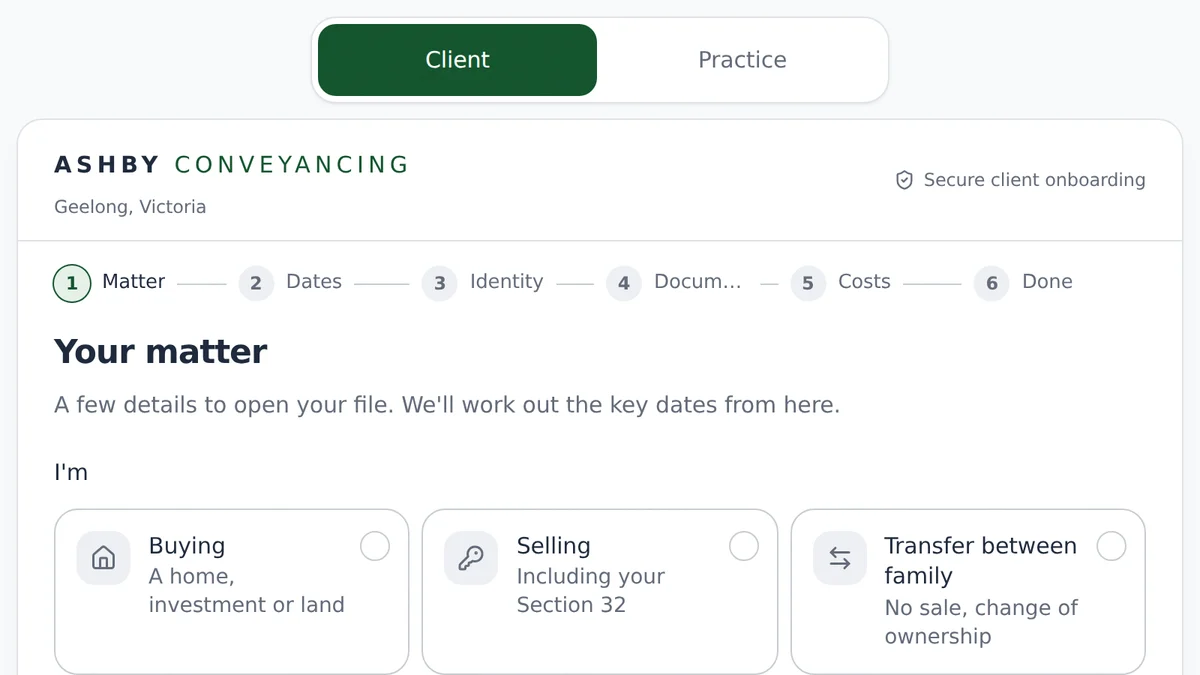
Agents meet vendors at appraisal and buyers at contract; conveyancers open a matter when a deal exists. Those are the moments to collect identity, ownership and risk information, inside the CRM or practice software, not in a separate spreadsheet someone has to remember.
Record what was checked, not just that it was
Records generally have to be kept for seven years, and CDD records for seven years after the relationship ends. A system should keep what was collected, how it was verified, the risk rating and who signed off, attached to the customer and the transaction.
Make reporting hard to miss
Suspicious matter reports are due within three business days (24 hours for terrorism financing). Threshold transaction reports apply to physical cash of $10,000 or more, within ten business days. A clear internal flag and escalation path matters more than clever automation.
AUSTRAC's first-year focus
AUSTRAC has said it will prioritise action against entities that wilfully ignore the obligation to enrol, or are complicit in or wilfully blind to money laundering. That's not a grace period for the rest, but it does reward businesses that can show genuine, documented effort.
What a system should hold for each customer
Whether that's your CRM, practice software or a purpose-built tool.
- Identity details, and how and when they were verified
- For companies and trusts, the beneficial owners and how they were established
- The risk rating, and the reasons for it
- Any politically exposed person or sanctions check and its result
- Who reviewed and approved the due diligence
- Any internal suspicious-matter flag, and what was decided
Where we'd tell you otherwise
We don't write AML/CTF programs, give compliance advice or act as an identity verification provider. Your program should come from the AUSTRAC starter kit, a compliance adviser or your professional body. What we do is the systems work: putting the program's steps inside the software your team uses, and keeping the records it requires.
Tell us how your files move
Describe the software you run and where work gets typed twice, chased by phone or held up waiting on a client. We'll tell you what we'd do first, including when the answer is a setting in software you already pay for.
Common questions
Generally not for property management itself. AUSTRAC's guidance says residential tenancies and property management aren't designated services. If the same agency also sells property, the sales side is covered, so the agency must enrol and meet the obligations for that work.
Under AUSTRAC's guidance, both the buyer and the seller are the agent's customers for AML/CTF purposes, even though the agent acts for the seller. That's why due diligence has to reach buyers too, usually at the point an offer is accepted.
Not necessarily. A small agency or practice can meet the obligations with its existing CRM or practice software, a verification provider and a well-designed checklist. Dedicated tools help at volume. What matters is that the steps happen at the right moment and the evidence is kept.
Yes, where the system allows. We add the due diligence steps to your intake or CRM workflow, connect the identity verification provider you choose, and make sure records attach to the customer and transaction and are kept for the required period.
See it working
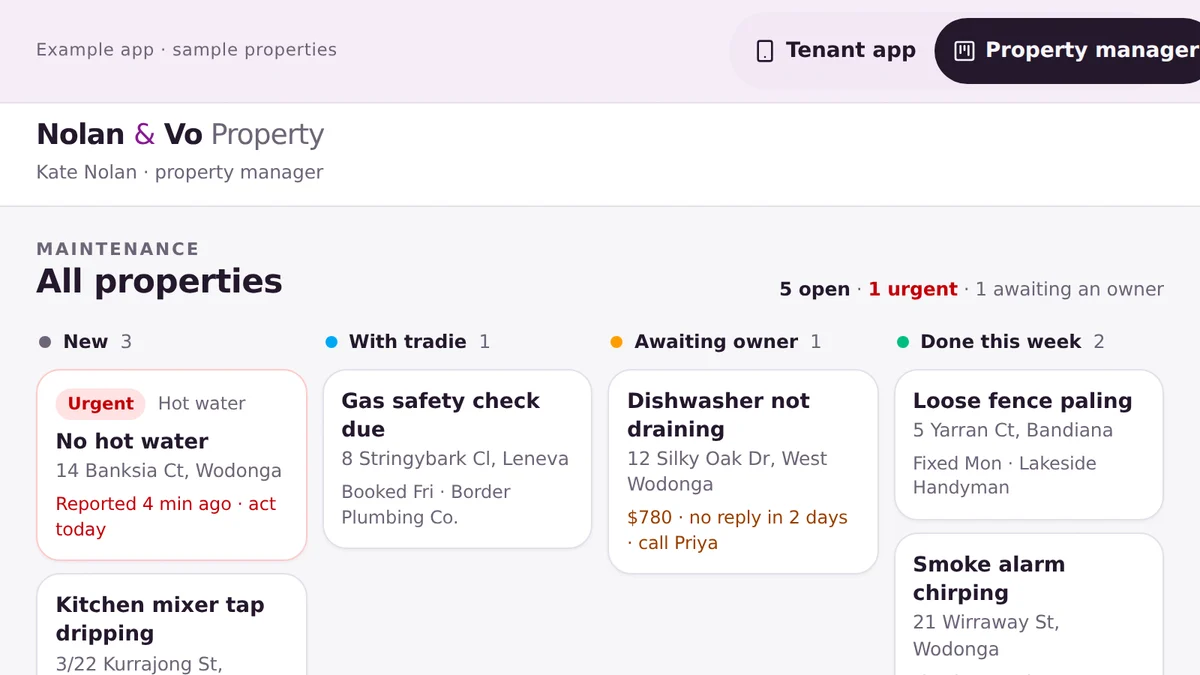
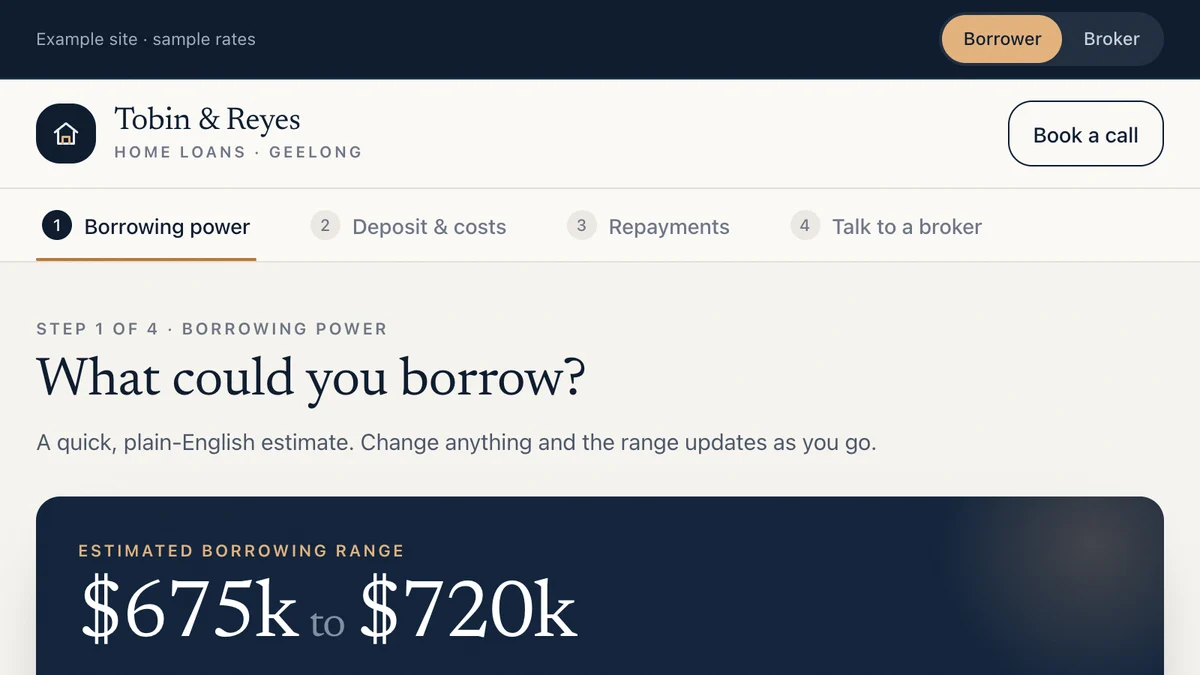
Software we'd build, running with a fictional business and sample data. Use it, then decide.
Also worth a look
- Software and Client Portals for Conveyancers
- Stopping Settlement Payment Fraud
- Client Portals and Systems for Buyers' Agents
- Holding client IDs and trust money? Security reviews for code, cloud and integrations
Last reviewed . General information, not legal advice. Prices are indicative Australian ranges, not quotes.