Property styling
Software for home staging: every piece, every property, every week
A styling business is a furniture hire company that has to look like a design studio. Every job needs a quote by room, the right pieces reserved from a warehouse that's half out on other jobs, a truck and crew booked for install and collection, and an extension when the campaign runs long. Most stylists run it on spreadsheets and a camera roll, and lose track of the cushions first.
Rather just ask someone? Talk to usIn short
Home staging businesses gain most from a quote calculator agents can use by property and room, an inventory that shows which pieces are free on which dates, pick lists and truck runs for each install and collection, and automatic hire extensions when a campaign runs over. Photograph every piece once, so quoting, packing and damage claims share one record.
General information about systems and processes, current as at November 2026. It isn't legal or compliance advice: check how the rules apply to your business with your regulator, professional body or adviser.
- What is a hire period in home staging?
- The time the furniture stays in the property, usually priced as a set number of weeks with a weekly rate after that. Because the end date depends on when the property sells, the system has to treat it as an estimate and handle extensions without double-booking pieces promised to the next job.
What actually works
Quote by room, in minutes
Agents and vendors want a price before the listing appointment. A calculator that prices by property type, rooms styled and hire weeks gives them one on the spot, and turns into a booking with a deposit when they accept.
Know where every piece is
Each sofa, artwork and cushion with a photo, a code and a status: in the warehouse, reserved, on a job, out for cleaning or damaged. Reserving pieces against dates stops the same rug being promised to two houses for the same week.
Pick lists and truck runs
An install becomes a pick list for the warehouse, a load order for the truck and a run sheet for the crew, with access details and the stylist's plan for each room. Collection reverses it and checks every piece back in.
Extensions without phone tag
Campaigns run long. Remind the agent before the hire period ends, let them extend in one click with the new charge shown, and keep the pieces reserved for the extra weeks. Pieces due at the next job get flagged early.
Damage needs evidence
Photos at install and collection, against each piece, settle most damage questions quickly. Without them it's your word against the vendor's.
Let your work sell you
Before-and-after galleries by suburb and style, and the sale results agents share with you, are your best marketing. A website that publishes them as jobs finish keeps it current without extra work.
Where we'd tell you otherwise
If you style a few homes a month from a small warehouse, a general hire and inventory tool will do. Custom work fits stylists with hundreds of pieces, several crews and trucks, agency accounts with their own pricing, or a quoting process that off-the-shelf tools can't express. Virtual staging is a different service: if it's what you offer, the rules on labelling altered images matter more than inventory.
Tell us how your files move
Describe the software you run and where work gets typed twice, chased by phone or held up waiting on a client. We'll tell you what we'd do first, including when the answer is a setting in software you already pay for.
Common questions
Yes. They choose the property type, the rooms to style and the hire period, see the price, and book with a deposit. The booking reserves the pieces and the install date, and the stylist confirms the plan.
Reserve each piece against dates, not just mark it as out. When a job is quoted, the system checks the pieces planned are free for the whole hire period, and flags clashes when an earlier job is extended.
Yes. The agent or vendor is reminded before the period ends, extends in one step and sees the weekly charge. The extension updates the invoice and the reservation together.
Virtual staging, adding furniture to photos of empty rooms, is generally accepted when it's clearly labelled. Images must not add or remove features of the property itself. Check your state regulator's guidance on altered images.
It depends on the size of your inventory, the number of crews and trucks, and whether it includes quoting and a website. Custom work is quoted individually, at a fixed price agreed before anything starts.
See it working
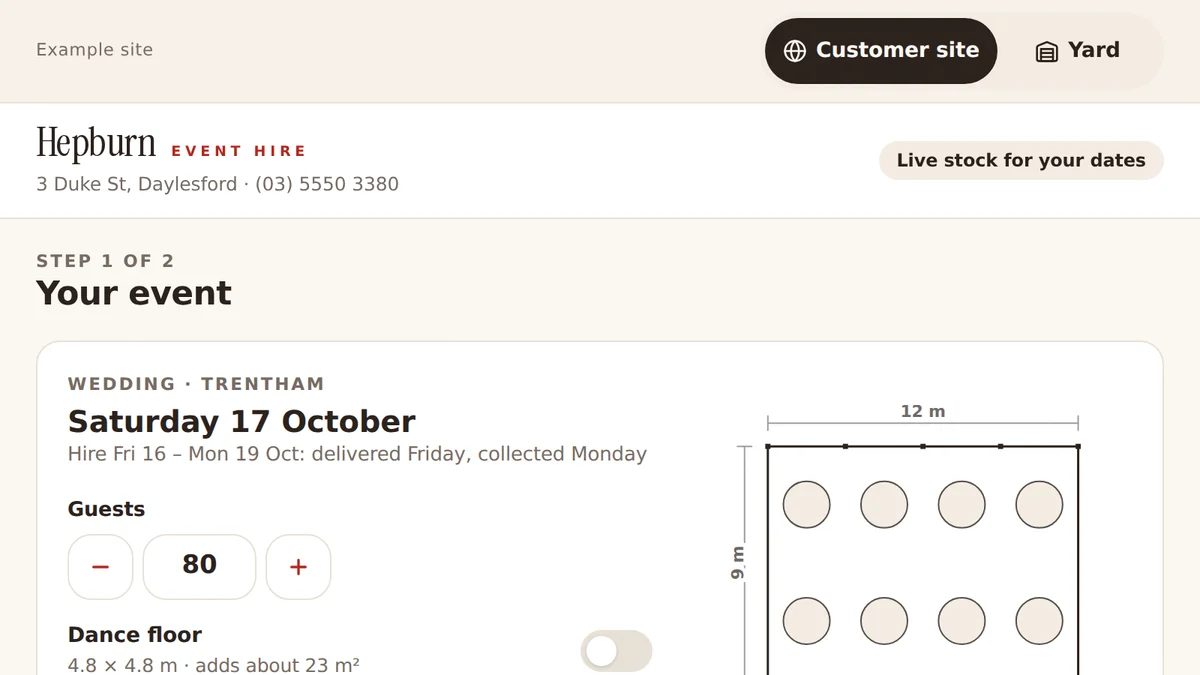
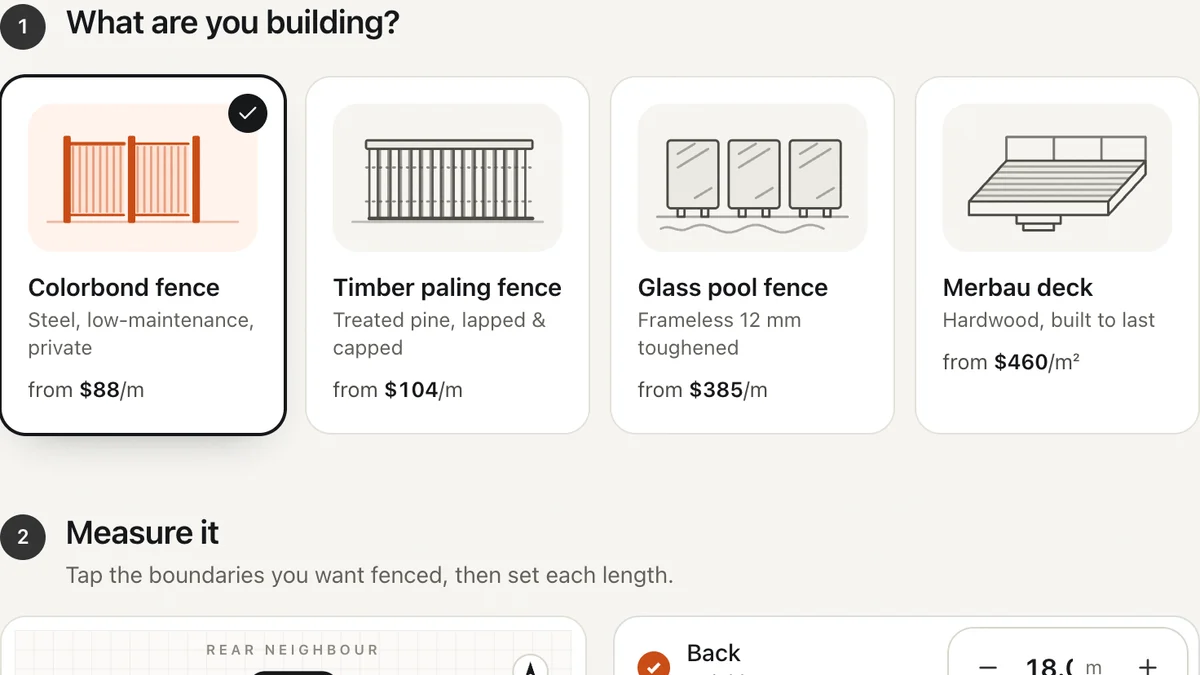
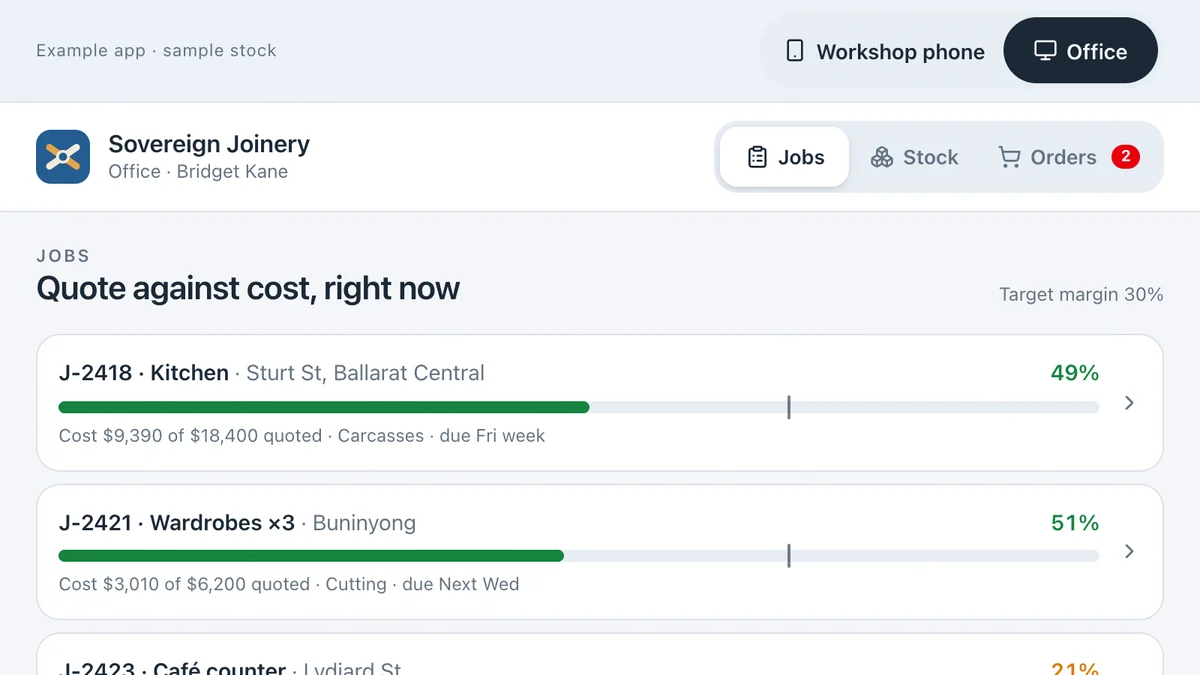
Software we'd build, running with a fictional business and sample data. Use it, then decide.
Also worth a look
- Software for Real Estate Photographers
- Real Estate Agency Websites That Win Listings
- AI for Real Estate Agents and Property Managers
- Holding client IDs and trust money? Security reviews for code, cloud and integrations
Last reviewed . General information, not legal advice. Prices are indicative Australian ranges, not quotes.