Fractional UX team
Senior product design, a few days a month, inside your team
Most software businesses reach a point where the engineers are designing the screens. It works until it doesn't: features ship that nobody uses, support tickets are really usability problems, and the product looks like six people built it. A full-time senior designer is a big hire for work that comes in waves. This is the same seniority, on the cadence you actually need.
A flow is worked out in wireframes first, then becomes the screen your developers build from, with the states nobody designs.
In short
PixelApps provides a fractional UX and product design team: senior product designers engaged for an agreed number of days a month to own research, flows, interface design and the design system for your product, working inside your existing tools and sprints. It suits software businesses that have developers but no designer, or a designer with no senior support.
This is for you if
- A software business with developers and no designer, where engineers are designing the screens
- A product about to be redesigned, where getting it wrong means rebuilding it twice
- A team with one junior or mid-level designer who needs senior direction and a design system
- A product that ships features customers don't find or don't finish
- A founder-led product moving from 'it works' to 'people can use it without a demo'
It isn't if
- Brand identity, logos or a marketing website. Those are different crafts, and our services pages cover them.
- A pre-product idea. A founder with a pencil and five customer conversations will get further than a design retainer, and we'll tell you that.
- Polishing screenshots for a deck. We design software people use, and the unglamorous states are where the work is.
What you get
A usability review of what you have
Your product used as a customer would, the ten things that are costing you conversions or support tickets, ranked by effort against impact. Delivered in the first fortnight and useful whether or not you continue.
Flows before screens
Every feature worked out as a flow first, including the empty, error, loading, permission and long-name states that get discovered in production when nobody designs them.
A design system that matches your codebase
Components, tokens and patterns that map one-to-one to what your developers build with, so the system is something they use rather than something they translate.
Research with real customers
Five moderated sessions a round, on your actual product, with a written note on what people did rather than what they said. Small, regular and cheaper than guessing.
Handover in your developers' format
Figma with tokens and specs, or coded React components if that's faster for your team. Whatever means the thing that ships is the thing that was designed.
Measurement, so design is accountable
Each change is tied to a number you already track: activation, completion, tickets, time to task. Design work is reported on the way engineering work is.
Three ways to engage
The cadence is agreed up front and can change with a month's notice. The fee is fixed in writing on the first call.
Design lead
One to two days a month
Direction for a team that already has a designer, or a developer-led team that needs senior review before things ship. Standing critique, the design system, the hard calls.
Embedded designer
Two to six days a month
A senior product designer in your sprints, owning the flows and screens for what's being built. The common shape.
Redesign sprint
A fixed scope over four to eight weeks
For a product that needs rethinking as a whole: research, information architecture, a new system and the key screens, handed to your developers or ours.
The first ninety days
- 01
Week one: the first call
A walk through the product, the roadmap and the numbers you watch. We say which shape fits, and what it costs per month, before anything starts.
- 02
Weeks one to two: the usability review
Your product used end to end, the biggest problems ranked, quick wins separated from structural ones. A written document you can act on with or without us.
- 03
From week two: in your sprints
Designs land ahead of development, with states covered, in the format your developers want. A standing critique keeps quality even across everything that ships.
- 04
Every quarter: what changed
The numbers each design change was tied to, reviewed together. Continue, adjust the days, or hand over to a full-time hire we've helped you interview.
Fractional, full-time, an agency, or the developers
Four ways product design gets done in a software business. Three of them are reasonable.
| Criteria | Fractional team | Full-time senior designer | Design agency | Developers design it |
|---|---|---|---|---|
| Cost | A fixed monthly fee for agreed days | $130,000 – $170,000 plus super | $30,000 – $120,000 per redesign | Free, until the rebuild |
| Fit with your sprints | Inside them | Inside them | Alongside, then a handover | Inside them, by default |
| Seniority | Senior only | Depends who you can attract | Senior in the pitch, varies after | None in design |
| Owns the design system | Yes | Yes | Delivers one, then leaves | Nobody |
| Best when | Design work comes in waves | Design work is constant | One big redesign, then quiet | You're pre-product |
What it replaces
Indicative Australian figures for 2026, from the market rather than our price list. We quote a fixed monthly figure on the first call.
- Senior product designer, in-house $130,000 – $170,000 a year
- Plus superannuation and a recruiter's fee. Good ones are scarce, and they leave teams where they're the only designer.
- Agency redesign $30,000 – $120,000
- A large one-off, a handover, and then nobody owns the system when the next feature ships.
- A feature nobody uses A sprint or two, every time
- The recurring cost of designing by guesswork. The one fractional design is measured against.
Work we can show
The public ones. Most engagements sit under client agreements and can be walked through on a call.
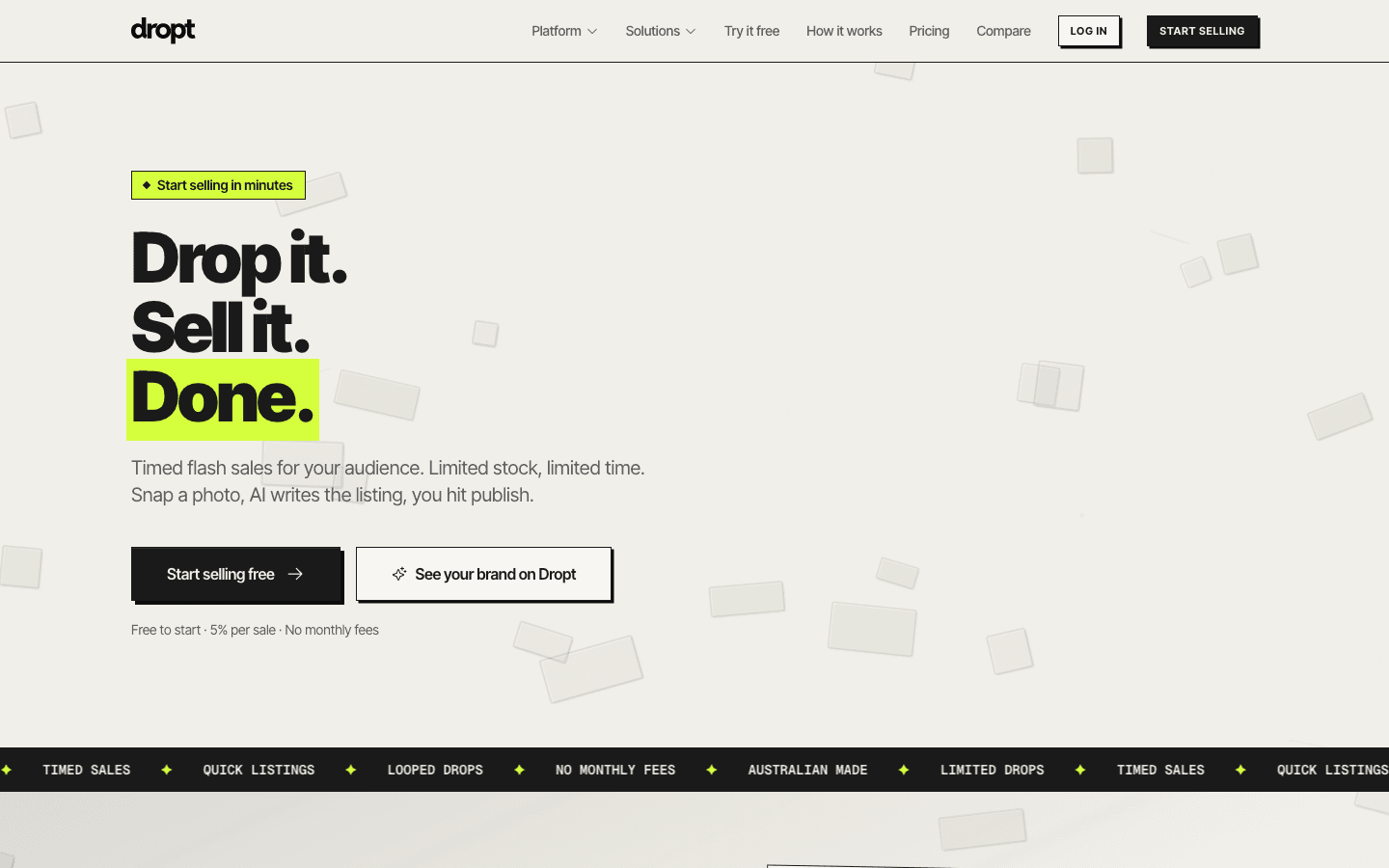
Dropt
Timed flash-sale storefronts — SaaS product
A full SaaS product: timed storefronts, AI-written listings, live pricing and signups — end to end.
Sellers snap a photo, AI writes the listing, and the sale goes live in minutes.
Theodore Men's Jewellery
Men's jewellery e-commerce — South Yarra, Melbourne
A rework and polish of the existing store — sharper product presentation, technical SEO throughout, and the full catalogue live on Google Shopping.
Since taking over in late 2025: online sales up 84%, orders up 53% and Google profile views up 45% year on year.
When we're not the answer
If your product's problem is that nobody wants it, better design won't fix that, and a redesign will make the wrong thing prettier. If you're pre-product, talk to customers before you hire anyone. And if you can afford a full-time senior designer and have work for them every day, hire one; we'll help you interview, and we'll tell you if the portfolio is better than the person.
Start with a conversation
An hour on where you are and what's in front of you. You'll leave with a straight answer on whether this is the right shape, and the monthly figure if it is.
Common questions
A UX designer decides how it works: flows, structure, what happens when things go wrong. A product designer does that and also takes a view on what should be built, and makes it look right. For a software product you want a product designer, and that's who we provide. A brand or visual designer is a different hire.
Design runs one sprint ahead of development. Our designer joins your planning, takes the next fortnight's features, and lands flows and screens with states covered before your developers pick them up. Critique and questions happen in your tools, and the days are timed to your cadence rather than ours.
No. We work in Figma when your team does, with tokens and specs your developers can read directly. Where it's faster, we hand over coded React components instead. The handover format is chosen for the people building it, not for us.
Yes. Small, regular rounds: five moderated sessions with your customers on your actual product, a written note on what they did, and the design changes that follow from it. Regular small research beats an annual large study, and it costs a fraction.
We can. The design team works alongside our on-demand developers when you don't have your own, and then the design system, the components and the code are one thing. If you have developers, we design for them and stay out of the way.
A fixed monthly fee for an agreed number of days, month to month, or a fixed price for a redesign sprint with defined scope. We don't publish a day rate; you get the figure on the first call, in writing, before anything starts.
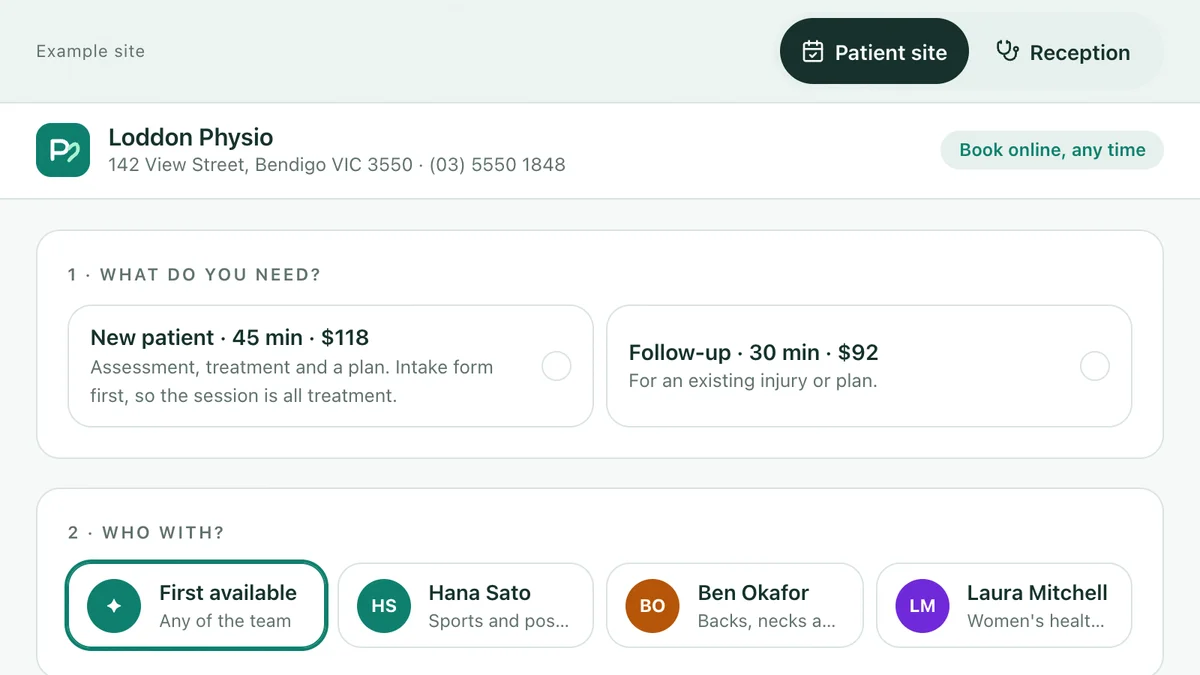
The kind of thing we build
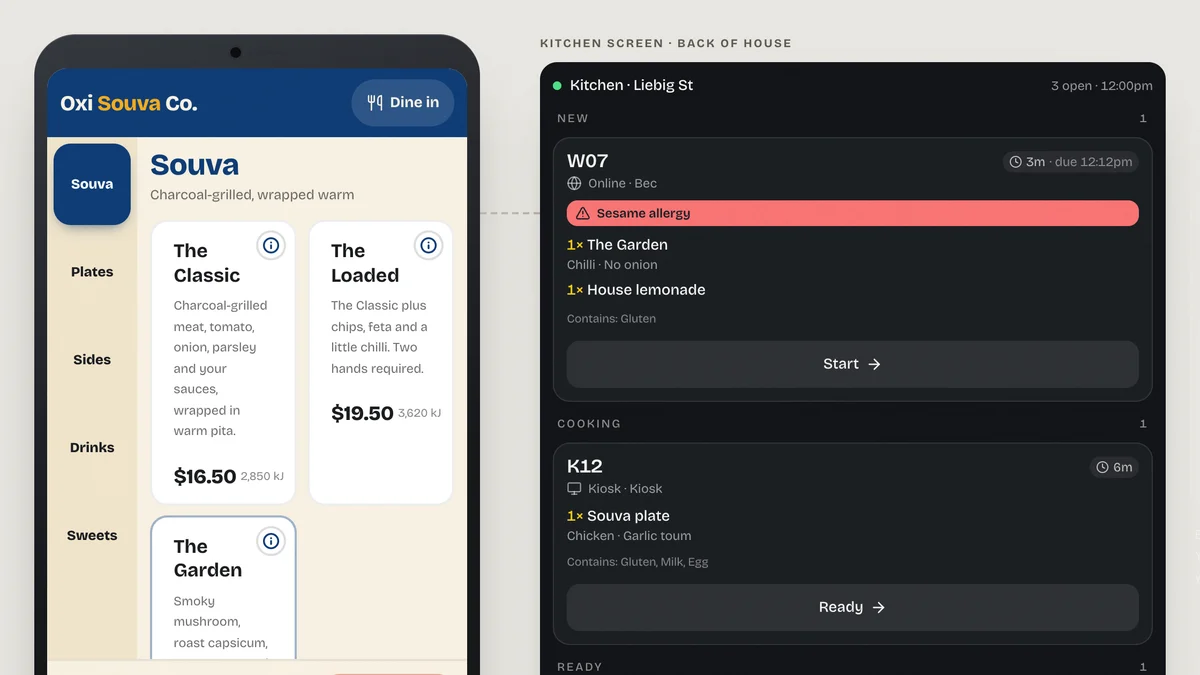
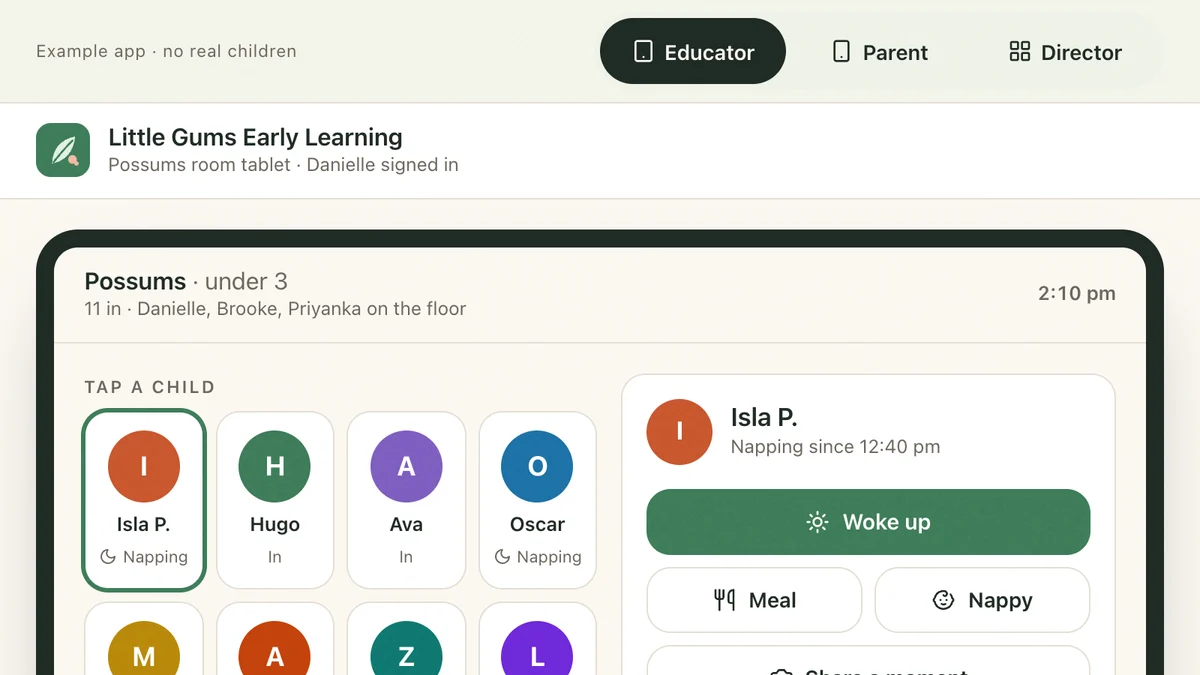
Working software, running with a fictional business and sample data. Use it, then decide.
Also worth a look
- A senior development team you switch on when you need it
- A fractional CTO for companies that can't yet justify a full-time one
- Visual, UX or product designer: which do you need?
- Accessibility, and why it's a design job
- MVP or full build: deciding the scope
Last reviewed . Market figures are indicative Australian ranges, not our prices. Our fee is fixed in writing on the first call.