Technology planning
A technology plan for your small business, on one page
Most small businesses make technology decisions one emergency at a time. The website breaks, so it gets fixed. A tool gets too expensive, so it gets replaced. Nobody steps back to ask what the business will need in a year. A technology plan doesn't need to be a 40-page strategy. One page, reviewed every six months, is enough to stop paying for the same problem twice.
Rather just ask someone? Talk to usIn short
A small-business technology roadmap lists what you run today, what isn't working, the three to five changes that would matter most in the next twelve months, and what each will cost. Order the changes by the hours or revenue they affect, do them one at a time, and review the plan every six months. One page is enough.
- Technology roadmap
- A short, ordered plan for how the systems a business runs on should change over the next year or two, and why. For a small business it replaces reacting to problems with deciding in advance which ones to fix first.
What actually helps
Start with what you run
List every system, what it does, who owns it and what it costs. Most owners are surprised by the list. It's the foundation of everything else, and the software audit on our 'too many apps' guide is a good way to build it.
Ask the team where the time goes
The people doing the work know exactly which screens they fight with and which tasks they do twice. Ten minutes with each of them produces a better problem list than any consultant could.
Rank by hours and revenue, not by annoyance
The loudest problem isn't always the costliest. Estimate the hours each one wastes or the revenue it costs, and fix the biggest first. That makes the plan easy to justify and easy to measure.
Plan three to five changes, not twenty
A small business can absorb one significant system change at a time. A year with four well-executed changes beats a year of half-finished projects.
Include the boring items
Security basics, backups, renewing the domain, documenting logins. They never feel urgent until they are. Put them on the plan with owners and dates.
Review it every six months
Businesses change, products change and prices change. A six-monthly review keeps the plan honest and catches new problems before they become emergencies.
What goes on the page
Five headings, one page.
- What we run: systems, owners, costs
- What's not working, with the hours or revenue it costs
- The three to five changes for the next twelve months, in order
- Budget and owner for each change
- The security and housekeeping items, with dates
- The date of the next review
Where we'd tell you otherwise
You can write the first version yourself with the headings above, and you should. Outside help is worth it when the changes involve several systems at once, significant money, or custom software, where a wrong first step is expensive to undo.
Tell us what's getting in the way
Describe the systems you run and what isn't working. We'll tell you what we'd do first, including when the answer is a product you can buy or a setting you can change.
Common questions
It needs a plan, which is simpler. One page listing what you run, what's not working and what to change in the next year, reviewed twice a year, is enough for most businesses under 50 staff.
A senior technology leader who works with your business part-time, typically a few days a month. They own the technology plan, vendor decisions and delivery without the cost of a full-time executive.
There's no reliable fixed percentage. A better test is return: each change on the plan should save more in hours, errors or lost revenue than it costs within a reasonable time, usually a year or two.
See it working
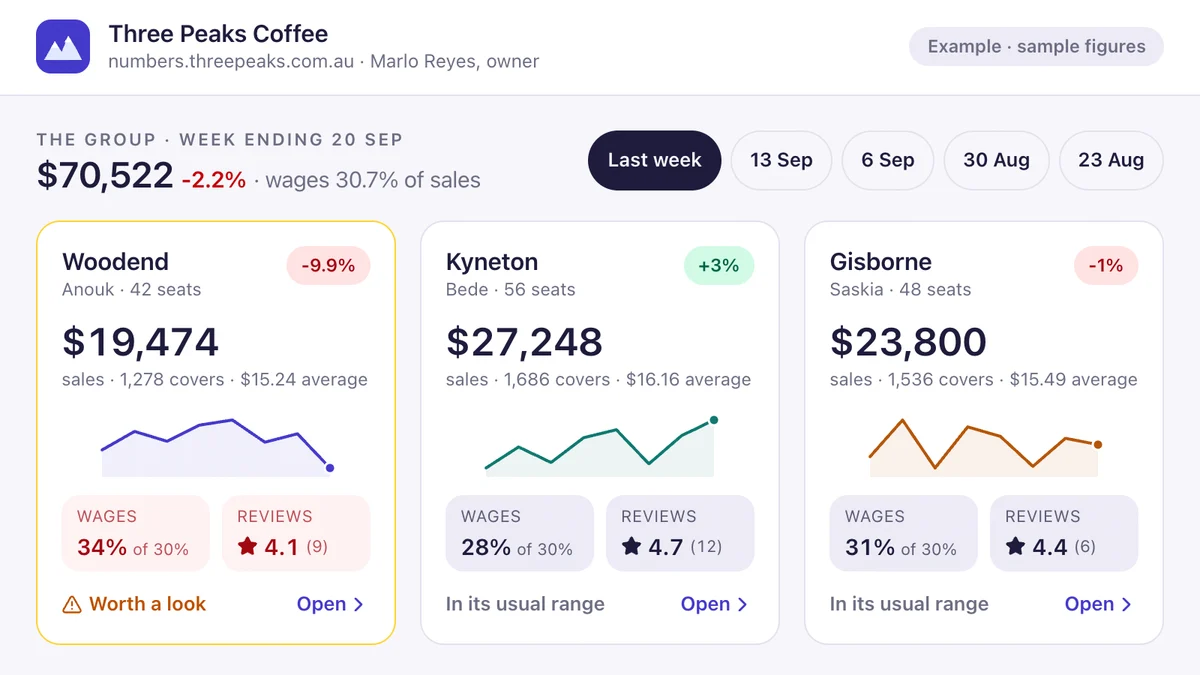
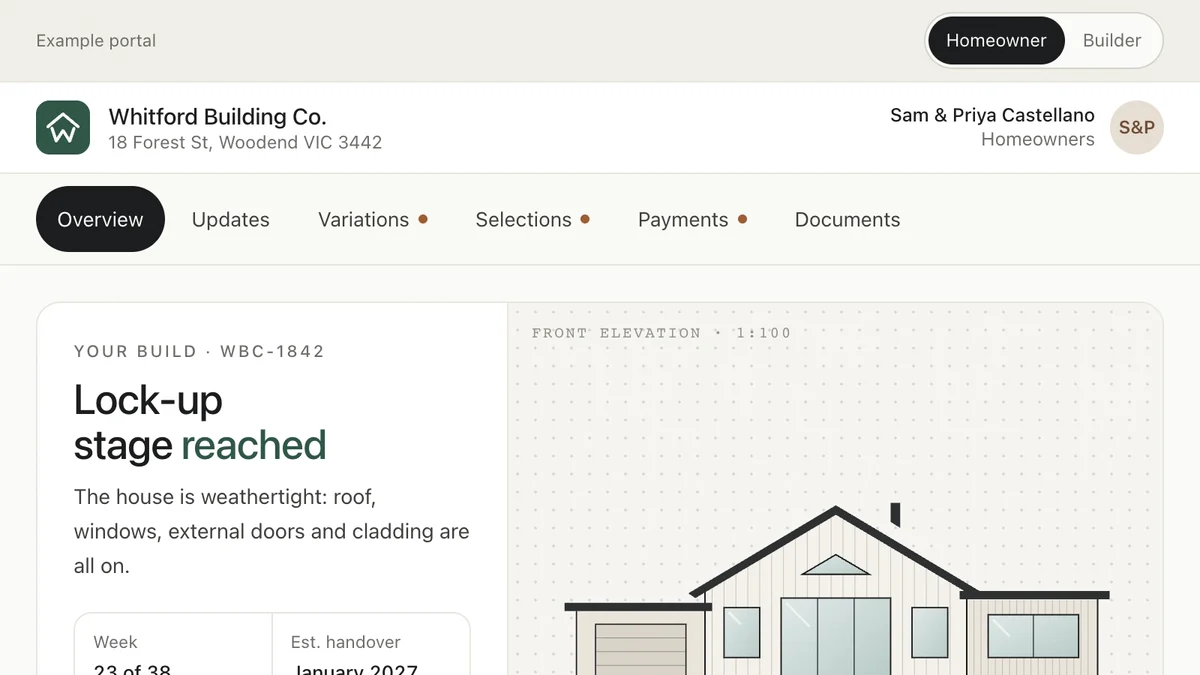
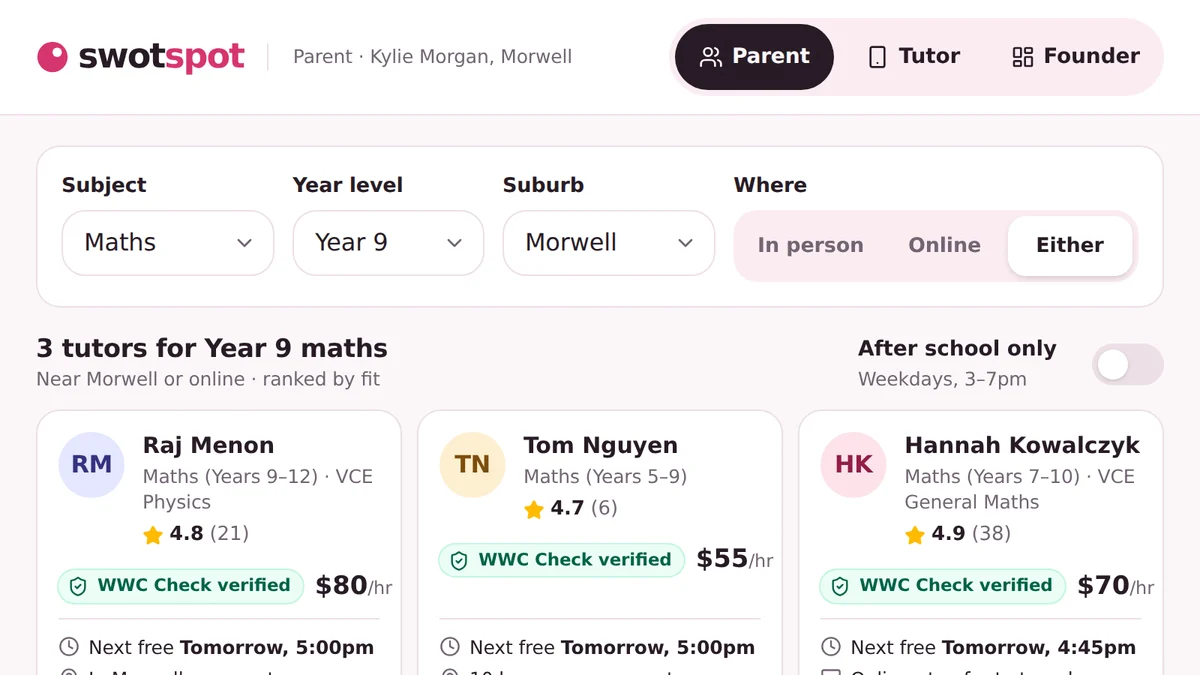
Software we'd build, running with a fictional business and sample data. Use it, then decide.
Also worth a look
- Who Can Help My Small Business With Technology?
- Too Many Apps? How to Simplify Your Business Software
- Custom Software vs Off-the-Shelf: Build or Buy?
- Ready to automate the repetitive work? AI for your business
Last reviewed . Prices are indicative Australian ranges, not quotes.