Commercial
Software for commercial agents: every lease date, on time
Commercial agents sell and lease buildings whose value is the lease. Every sale carries the tenancy schedule, outgoings, options and rent reviews with it, and every managed property brings a calendar of dates someone has to watch. Many offices keep those in spreadsheets beside a CRM built for houses, which is where missed option dates and outgoings disputes come from.
Rather just ask someone? Talk to usIn short
Commercial agencies need what residential CRMs do badly: a lease register with every critical date, from option windows to rent reviews and expiries; retail lease disclosure statements and outgoings paperwork issued on time; and investment sales that carry the tenancy schedule and a proper data room. Build these around your trust accounting and CRM, not in place of them.
General information about systems and processes, current as at November 2026. It isn't legal or compliance advice: check how the rules apply to your business with your regulator, professional body or adviser.
- What is a critical date in a commercial lease?
- A date by which someone must act or lose a right: the last day to exercise an option to renew, a market rent review, a bank guarantee expiry, the date an outgoings estimate is due. Missing one can cost a landlord or tenant years of rent, which is why critical dates belong in a system that reminds people, not a diary.
Retail lease deadlines in NSW and Victoria
Summaries of the Retail Leases Act 1994 (NSW) and Retail Leases Act 2003 (Vic), checked November 2026. Other states' Acts differ; the Act and your lawyer are the authority.
- Disclosure statement 7 days before
- Given to the tenant at least seven days before the lease is entered into, in both states.
- Outgoings estimate 1 month ahead
- Before the lease is entered into, then at least a month before each accounting period or year.
- Outgoings statement Within 3 months
- After each accounting period. In NSW it generally needs an auditor's report unless it covers only items such as rates, land tax and insurance.
- If paperwork is late Recovery at risk
- Both Acts limit what a landlord can recover, or when, if the estimate or statement isn't given.
What actually works
One lease register, every date
Record each lease's key terms once: parties, term, options and their exercise windows, rent reviews, guarantees, make-good. From there the system reminds the agent, and where you choose the landlord and tenant, well before each date, and shows the whole portfolio's next year on one screen.
Retail leases add statutory deadlines
In NSW and Victoria the landlord must give a disclosure statement at least seven days before a retail lease is entered into, an outgoings estimate before the lease and ahead of each period, and a statement within three months after it. A system should know which state's Act each lease falls under and build the paperwork from the lease record.
Outgoings without the spreadsheet
Apportioning rates, insurance and maintenance by lettable area, separating what each lease allows to be recovered, and producing the year-end statement is where errors hide. Do the sums in the system, show tenants the working, and fewer statements get disputed.
Investment sales need a real data room
Buyers of a tenanted building want the information memorandum, leases, outgoings and building reports. A data room that releases documents once a confidentiality agreement is signed, and shows who opened what, tells you which buyers are serious before you call them.
AML/CTF follows the sale, not the lease
Since 1 July 2026, brokering the sale or purchase of commercial property has been covered by AML/CTF, as residential sales are. Leasing and property management generally aren't. A sale file needs its customer due diligence record; a leasing file doesn't, so the system should treat them differently.
Connect, don't replace
Trust accounting and commercial property management platforms such as MRI and Re-Leased hold the ledger, and listings go to realcommercial.com.au and commercialrealestate.com.au. A lease register, outgoings tool or landlord portal should read from those, not keep a second copy.
Where we'd tell you otherwise
If you manage a handful of tenancies, a commercial property management platform's own critical dates and outgoings tools are the better buy. Custom work fits agencies with a mixed book across states, investment sales that need a proper data room, or landlords who want one portal for their whole portfolio. We don't draft leases or give leasing advice; we build the system your lawyer's advice runs through.
Tell us how your files move
Describe the software you run and where work gets typed twice, chased by phone or held up waiting on a client. We'll tell you what we'd do first, including when the answer is a setting in software you already pay for.
Common questions
Usually a CRM for sales and leasing campaigns, a commercial property management and trust accounting platform such as MRI or Re-Leased, and the commercial listing portals. The gaps tend to be critical dates kept in spreadsheets, outgoings worked out by hand, and data rooms run from shared folders.
Yes, for sales. Since 1 July 2026, agents brokering the sale or purchase of real estate, commercial included, have been reporting entities under AML/CTF, so they must enrol with AUSTRAC, run a program and verify customers. Leasing and property management generally aren't covered. Check AUSTRAC's guidance for your mix of services.
It's a good first pass: AI can extract parties, term, options, rent reviews and guarantees from a lease into the register in seconds. A person must check every date against the lease before relying on it, because a misread option window is exactly the mistake the register exists to prevent.
Yes, by lettable area or whatever basis each lease sets, separating what each lease allows to be recovered and producing the estimate and year-end statement from the same figures. Unusual lease terms still need a person to set them up correctly once.
It depends on the number of leases and states, whether it includes outgoings and a data room, and what it connects to. Custom work is quoted individually, at a fixed price agreed before anything starts.
See it working
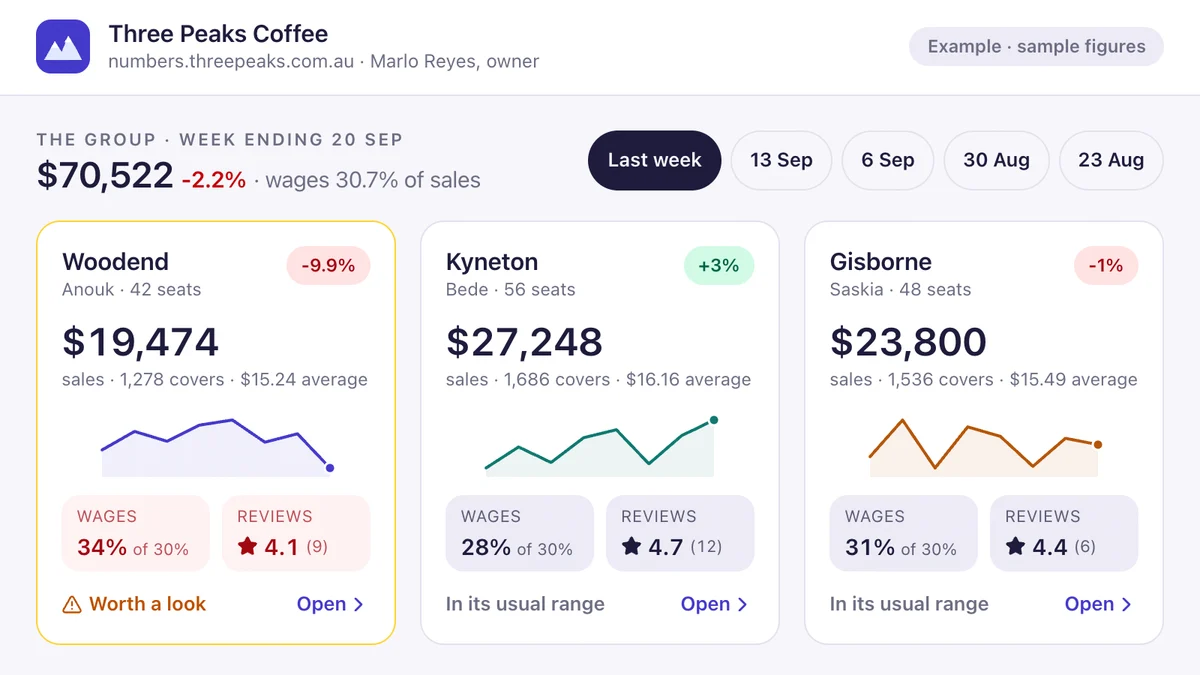
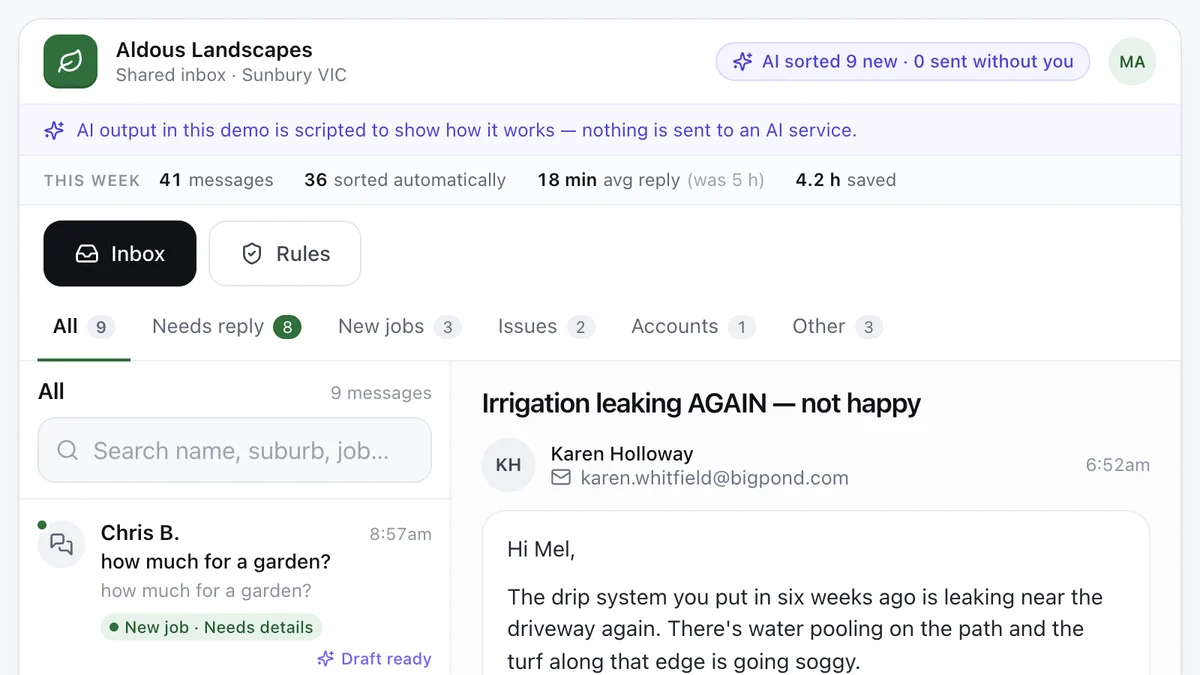
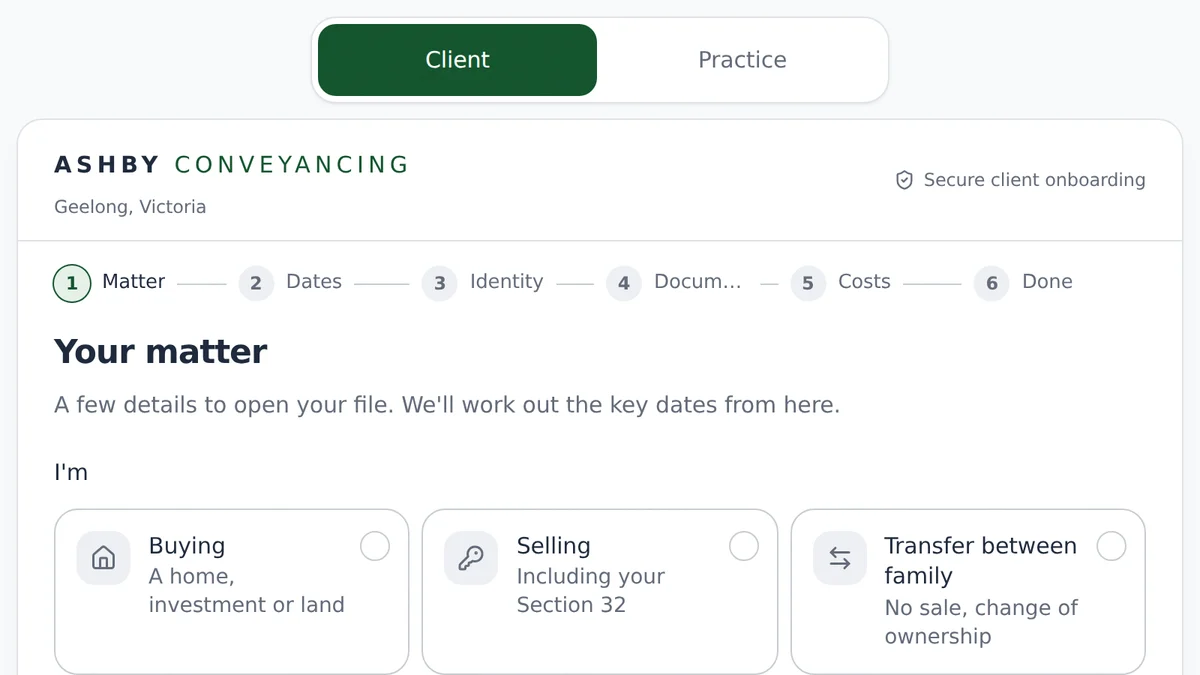
Software we'd build, running with a fictional business and sample data. Use it, then decide.
Also worth a look
- AML/CTF for Agents and Conveyancers: Systems
- Property Management Software: Buy or Build?
- Real Estate Agency Websites That Win Listings
- Holding client IDs and trust money? Security reviews for code, cloud and integrations
Last reviewed . General information, not legal advice. Prices are indicative Australian ranges, not quotes.