Valuers
Software for valuers, around the panels you can't change
Valuers work inside other people's systems. Lender jobs arrive through panel platforms such as ValEx, sales evidence comes from CoreLogic or PropTrack, and the report is built in valuation software chosen years ago. The hours go in between: arranging access with an agent or tenant, re-typing instruction details, chasing private clients for documents and payment, and keeping one diary for panel and private work.
Rather just ask someone? Talk to usIn short
Valuers rarely need a new valuation system: lender panels and report software set the rules. The useful builds sit around them. A website that quotes, books and takes payment for private valuations, automatic access booking with agents and occupants, one job board for panel and private work, and a file that keeps instructions, photos, evidence and reasoning together for years.
General information about systems and processes, current as at November 2026. It isn't legal or compliance advice: check how the rules apply to your business with your regulator, professional body or adviser.
- What is a valuation panel?
- A list of valuation firms a lender has approved to value the properties it lends against. Lenders usually order through a panel platform, which allocates the job, sets the turnaround and receives the report, so the valuer works in the lender's system. Private work, such as family law, deceased estate, tax, SMSF and pre-purchase valuations, comes to the firm directly.
Who regulates valuers, by state
From state legislation and regulators, checked November 2026. Other states and territories: check with your professional body.
- Queensland Registration
- Valuers must be registered with the Valuers Registration Board under the Valuers Registration Act 1992.
- Western Australia Licence
- Land valuers must be licensed under the Land Valuers Licensing Act 1978. A licence runs for three years.
- South Australia Prescribed qualifications
- The Land Valuers Act 1994 limits practice to people with qualifications set by regulation, such as API certification.
- New South Wales No registration since 2016
- The Valuers Act 2003 was repealed in 2016. Lenders and clients rely on credentials and panel approval.
- Victoria No statutory registration
- Credentials such as API's Certified Practising Valuer, and approval to lender panels, do the work a licence does elsewhere.
What actually works
Leave lender work on the lender's rails
Panel jobs are accepted, inspected and returned through the platform, in its format and to its turnaround. Don't try to replace that. What you can stop is re-typing: bring job details into your own job list wherever the platform or your report software allows, so the team sees one board of panel and private work.
Give private instructions a front door
Family law, estate, capital gains tax, SMSF, stamp duty and pre-purchase valuations usually start with a phone call and three emails. A page that explains each type, quotes a fee by property type and purpose, collects the details and documents, takes payment and books the inspection turns that into one step.
Access is the hidden bottleneck
Most inspections depend on someone else: a selling agent, a tenant, an executor or a separated partner. Offering times by text, confirming automatically and reminding the day before cuts wasted trips, and records who agreed to what if access is disputed later.
Keep the file defensible
A valuation is judged on its file, often years after it was signed. The instruction and scope, inspection photos with time and place, the sales evidence relied on, the reasoning and any change after issue should sit together, and be kept as long as your insurer and professional body expect.
Use the evidence you license, without copying it
Sales evidence comes from data subscriptions under licence terms. A tool that brings the comparable sales you've already selected into the report saves time and keeps you inside those terms, which copying and pasting between screens doesn't.
Templates should change when standards do
The International Valuation Standards were reissued as IVS 2025, effective 31 January 2025, and API members also follow the Australia and New Zealand Valuation and Property Standards. Report templates, instruction terms and checklists should be easy to update, not buried in a document nobody owns.
Signs your private work needs its own system
If three or more of these are true, a booking and job system will usually pay for itself.
- Private instructions arrive by phone and email and take several exchanges to confirm
- Fees are quoted by hand, and some jobs are inspected before they're paid
- Access is arranged by phone, and wasted trips happen most weeks
- Panel and private jobs live in different places, so nobody sees the whole week
- Inspection photos sit on phones or in a shared drive away from the file
- The director can't see turnaround or workload without asking each valuer
Where we'd tell you otherwise
If nearly all your work comes through lender panels, there's little to build: the panel platform and your report software already define the job, and custom tools would only duplicate them. Custom work fits firms with a real share of private, legal or commercial instructions, several valuers sharing one diary, or a director who wants turnaround at a glance. We don't build valuation models, and we don't decide what a valuation should include.
Tell us how your files move
Describe the software you run and where work gets typed twice, chased by phone or held up waiting on a client. We'll tell you what we'd do first, including when the answer is a setting in software you already pay for.
Common questions
It depends on the state. Queensland requires registration with the Valuers Registration Board, Western Australia licenses land valuers, and South Australia limits practice to people with prescribed qualifications. NSW ended valuer registration in 2016, and Victoria has none, so lenders and clients rely on credentials such as API's Certified Practising Valuer and on panel approval.
Panel platforms decide who can integrate and how, and most connections run through valuation report software. We connect your own job list and diary to whatever the platform and your report software make available, and leave the panel workflow as it is.
Yes. They choose the purpose and property type, see the fee, upload documents such as a contract or court orders, pay, and pick an inspection time. The job lands in your diary with everything attached, and nothing is inspected before it's paid unless you choose that.
It can draft descriptive sections from inspection notes and photos, and check a report for missing items before it's issued. The opinion of value, the choice of sales evidence and the reasoning must stay the valuer's: the valuer signs the report and carries the liability. Don't paste client documents into a consumer AI tool.
Valuing property isn't among the real estate services brought into AML/CTF on 1 July 2026, which centre on brokering sales and purchases, and on legal and accounting work. If your business also sells property or provides one of those services, check AUSTRAC's guidance.
It depends on how much of your work is private, how many valuers share the diary and what it connects to. Custom work is quoted individually, at a fixed price agreed before anything starts.
See it working
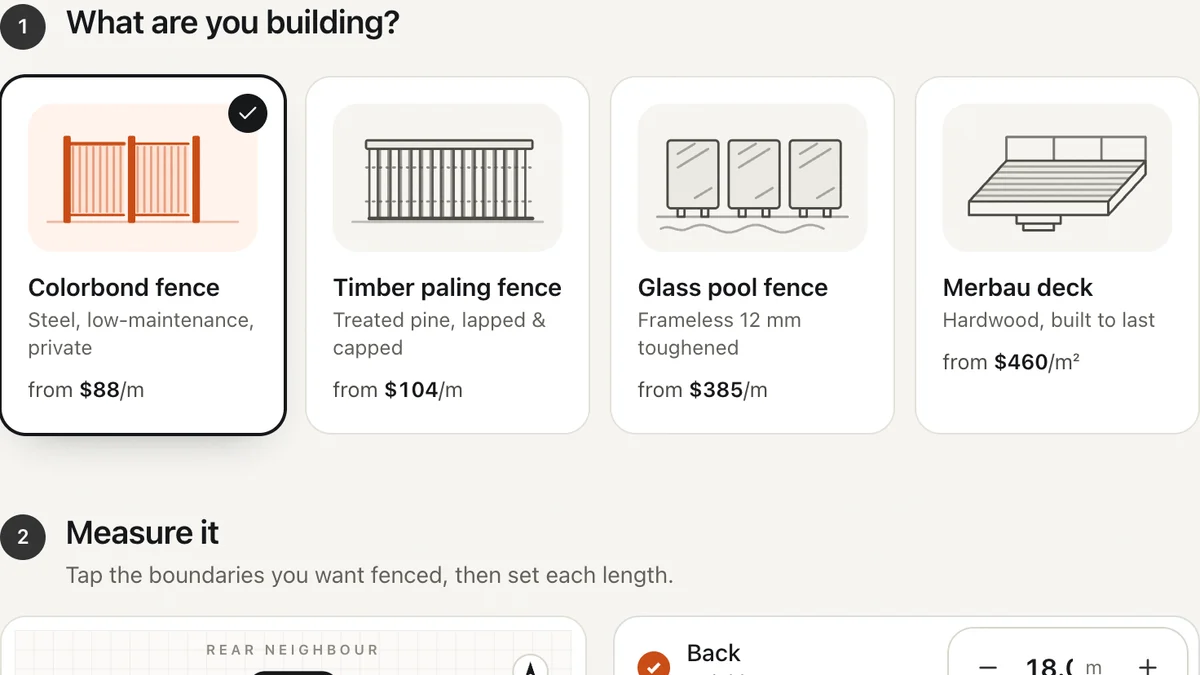
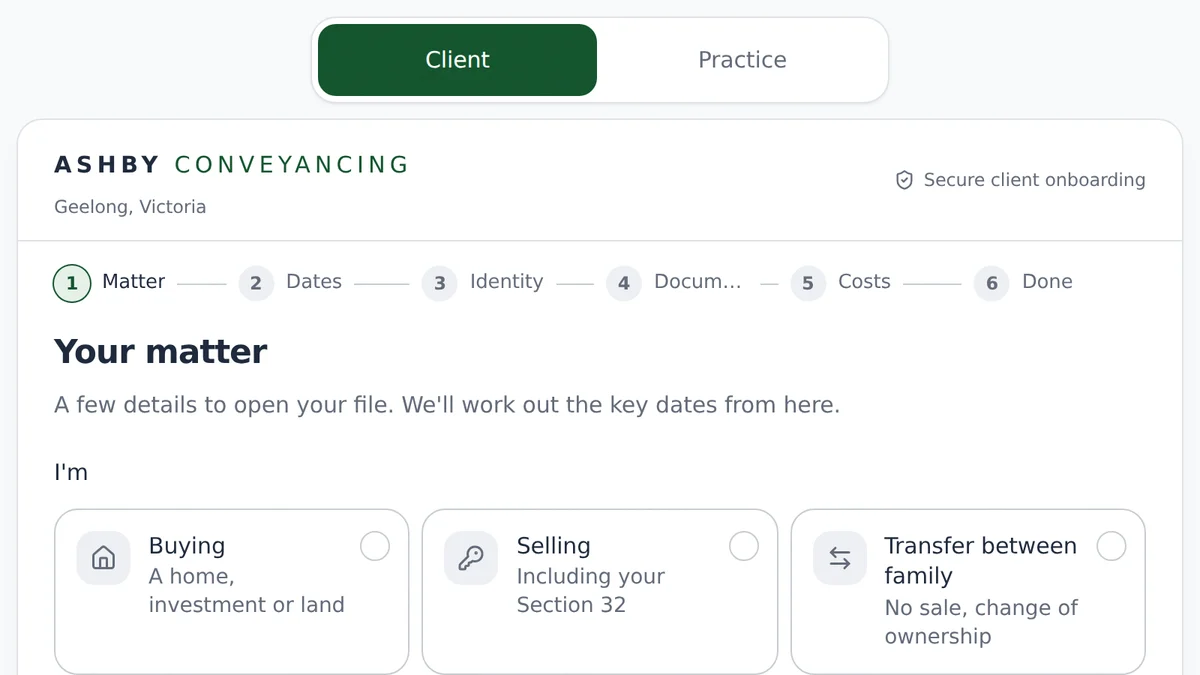
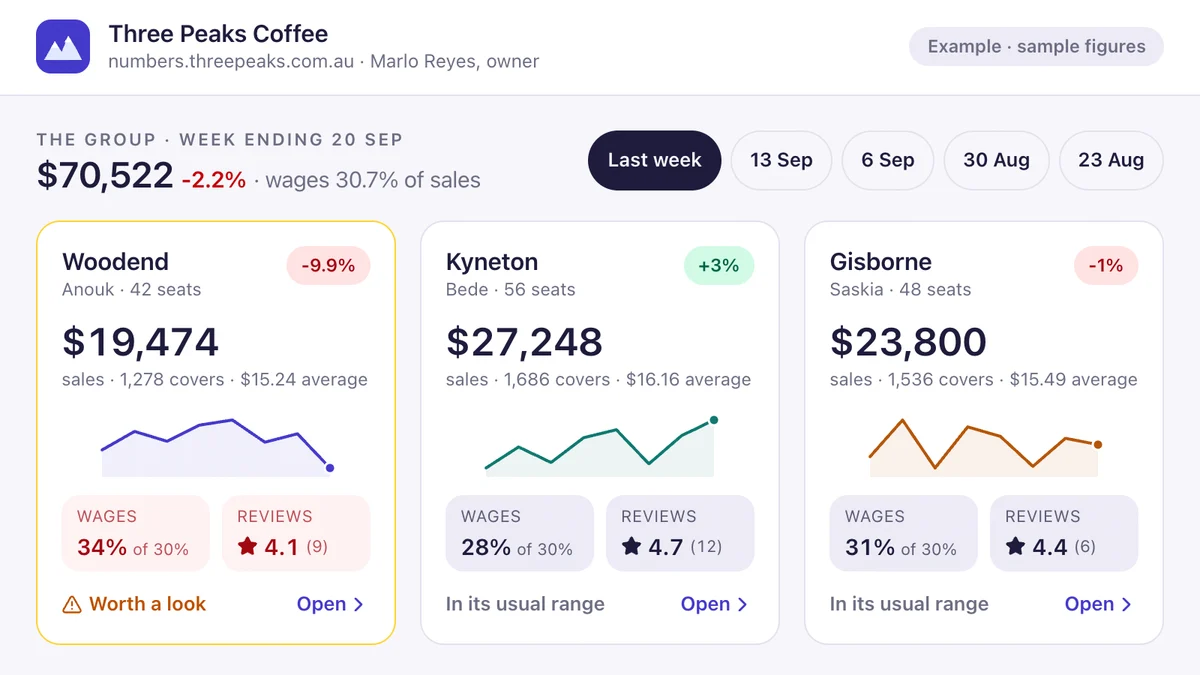
Software we'd build, running with a fictional business and sample data. Use it, then decide.
Also worth a look
- Software for Building and Pest Inspectors
- Software and Client Portals for Conveyancers
- Websites and Systems for Mortgage Brokers
- Holding client IDs and trust money? Security reviews for code, cloud and integrations
Last reviewed . General information, not legal advice. Prices are indicative Australian ranges, not quotes.