Leaving Bubble
Is it time to move your app off Bubble?
Bubble lets a founder or a small team ship a working product without developers, and plenty of businesses run on it happily. The question usually arrives with success: more users, a workload bill that's hard to predict, pages that slow as the data grows, or an investor asking what happens if you ever need to leave. Leaving Bubble means rebuilding, so make the call with numbers, not frustration.
Rather just ask someone? Talk to usIn short
Move off Bubble when workload charges rise faster than revenue or are hard to predict, performance suffers as your data grows, or you need code you can own, audit and hand to other developers. Bubble doesn't export code, so leaving means a rebuild. If the app works and costs are steady, keep shipping on Bubble and plan the exit later.
- Workload units, and why the bill moves
- Bubble charges for the server work your app does, measured in workload units. Searches, workflows, API calls and page loads all use them. Each plan includes a monthly allowance; go over and the extra is billed, or, if overages are switched off, the app goes offline until the allowance resets. More users and inefficient searches both raise the count.
Bubble's pricing model, and what leaving costs
Bubble's published pricing, checked November 2026, in US dollars; plans differ for web, mobile and both. Rebuild costs are indicative Australian ranges.
- Included workload 175K – 500K units a month
- On the Starter, Growth and Team plans respectively. Dedicated and Enterprise plans differ.
- Overage US$0.30 per 1,000 units
- Unless you've bought a workload tier, or switched overages off, which takes the app offline until the monthly reset.
- Code export None
- You own your design and data; Bubble keeps the code. Data exports as CSV, JSON or NDJSON.
- Rebuild in code $30,000 – $120,000+
- Depends on screens, roles, integrations and data. Delivered in slices, with Bubble running until the switch.
Signs it's time to go
The workload bill is hard to predict
When a feature launch or a busy month moves the bill noticeably, and tuning searches to save workload has become a regular job, the pricing model is driving product decisions. Watch the trend against revenue, not just the total.
Pages slow down as data grows
Bubble's database has no hard size limit, but large datasets slow searches, and Bubble's own guidance warns against some search constraints beyond about 10,000 records. If you're designing around speed rather than around users, you've found the ceiling.
You need code you own
Bubble keeps the code; you own your design and your data. Investors, acquirers, enterprise customers and security reviews increasingly want code they can inspect. A Bubble app can't be handed to another development team or hosted somewhere else.
Most new features need a workaround
Complex permissions, heavy reporting, offline use, deep integrations or regulated data can all be done in Bubble with plugins and patience. When most new features need one, the platform is costing you speed instead of saving it.
Customers want their data in Australia
Shared Bubble plans are hosted in the US, and choosing a region needs a dedicated plan. If customers or contracts require data held in Australia, that changes the sums.
Optimise, go hybrid, or rebuild?
Three ways to handle a Bubble app that's straining. Costs are indicative Australian ranges, not quotes.
| Criteria | Optimise on Bubble | Hybrid | Rebuild in code |
|---|---|---|---|
| What it means | Fix expensive searches and workflows, prune plugins | Move heavy jobs to a separate backend; keep Bubble as the front end | A new application in a mainstream framework, with the data migrated |
| Solves | Workload costs, some speed | Performance hot spots, integrations | Ownership, performance, hosting location, hiring |
| Doesn't solve | Ownership, hosting location | Ownership of the Bubble part | Nothing comes free: it's a project |
| Typical cost | $1,500 – $6,000 | $8,000 – $30,000 | $30,000 – $120,000+ |
| Best when | Costs spiked but the app is fine | One part is slow or heavy | The product works and is growing |
Before you rebuild a Bubble app
The rebuild is only as good as your record of what the old app does.
- Export every data type as CSV or JSON, and keep the unique IDs that link records
- Document every workflow, backend workflow and scheduled job, and what triggers it
- List every plugin and API connector, and what will replace each
- Write down your privacy rules: exports ignore them, so rebuild them deliberately
- Measure workload by feature, so the new design fixes the expensive parts
- Plan how users will sign in to the new app the first time, and tell them early
- Keep the Bubble app live until the new one has run in parallel
When staying is the better answer
If the app works, customers are happy and the workload bill is steady, keep shipping on Bubble. A rebuild costs real money and months, and the best time to do it is when you know exactly what the product is. Many teams optimise first, move one heavy feature to a separate backend, and rebuild only when growth makes it clearly worth it.
Tell us what you're on, and what isn't working
Name the platform, roughly what you pay, and what's getting in the way. We'll tell you whether to stay, switch to another product or build, and what the move would involve. Staying is a perfectly good answer.
jayson@pixelapps.com.au
1300 204 802
Macedon Ranges, Victoria
Serving clients across Australia
Common questions
No. Bubble keeps the underlying code; you own your design and your data. Data exports as CSV, JSON or NDJSON, and through the Data API for larger volumes. Workflows, logic and plugins have to be rebuilt.
As a rough Australian guide, $30,000 to $120,000 or more, depending on the number of screens and user roles, the integrations and the data. Your existing app is the best specification you'll get, which keeps the rebuild honest.
Yes. A common path is to move the heavy work, such as reporting or integrations, to a separate backend first, then rebuild the front end. Users keep using the Bubble app until the new one is ready.
No. Their accounts and data come across in the migration. Plan how they'll sign in the first time, usually a one-time link or a password reset, and tell them before the switch.
Shared Bubble plans are hosted in the US. Choosing a hosting region needs a dedicated plan, which is priced for larger customers.
See it working
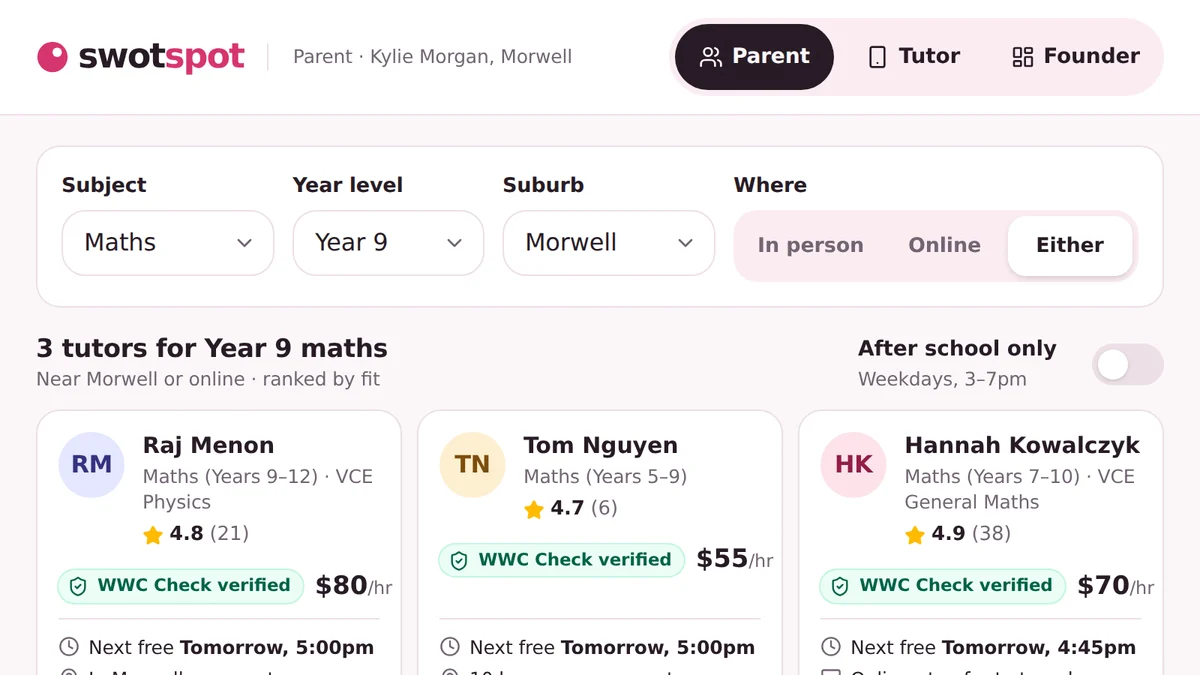
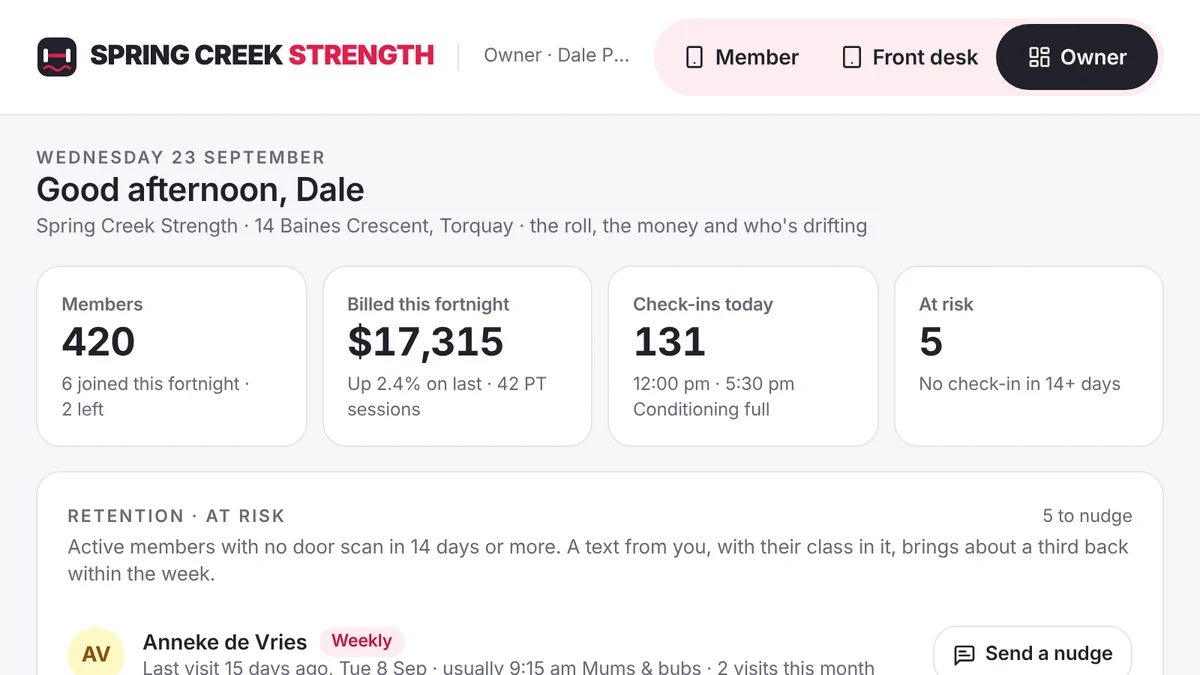
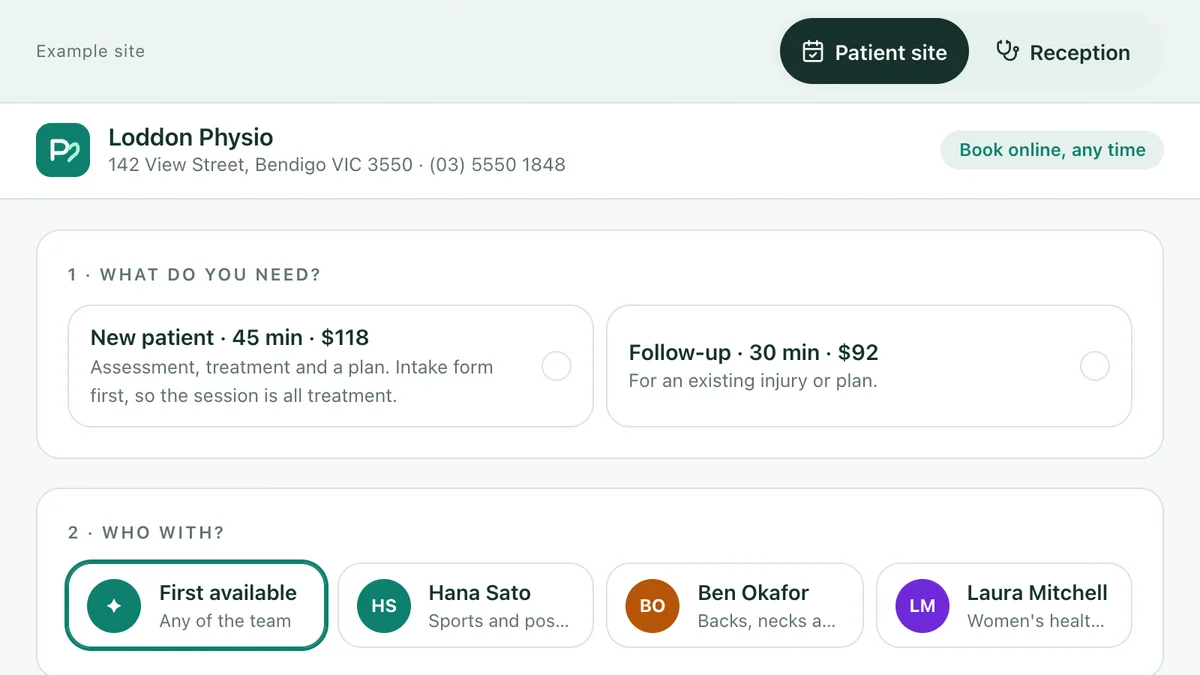
Software we'd build, running with a fictional business and sample data. Use it, then decide.
Also worth a look
- Is It Time to Move Off Airtable?
- Is It Time to Move Off Zapier?
- Is It Time to Move Away From WordPress?
- Turning a prototype into a production app
- Wondering whether to build your own instead? The signs it's time
Last reviewed . Platform prices are the vendor's published list prices when this page was reviewed and change often; check current pricing. Migration costs are indicative Australian ranges, not quotes.